Bars category strives for innovation, wellness options
Products are now expected to do more than just curb hunger.
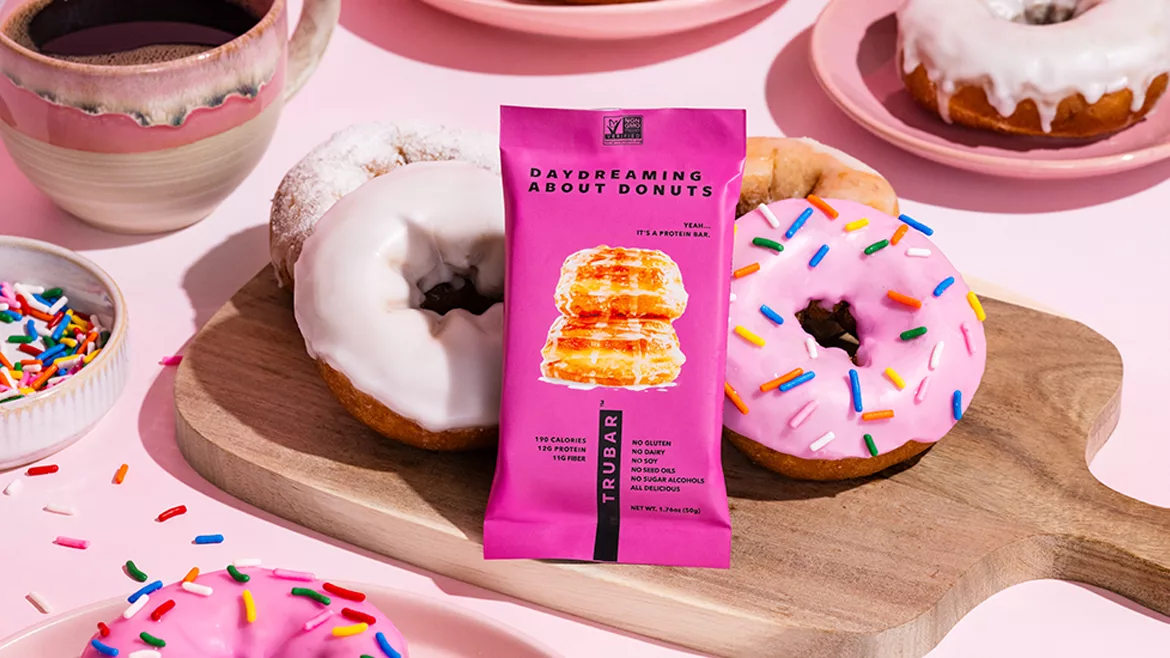
Bars have long been a popular pre- and post-workout snack, thanks to the products’ portability and nutrition profile. However, the evolution of the category has expanded the popularity of bars to reach beyond the gym-going population. All sorts of consumers (even the ones who haven’t seen the inside of a health club in ages) are popping the convenient treats into purses, briefcases, pockets, and backpacks to enjoy anywhere, anytime, in a range of innovative formats.
Market data
Per Chicago-based market research firm Circana’s (Chicago) data from the past 52 weeks, ending on January 1, 2026, sales of snack and granola bars, plus clusters, were up a healthy 7.1% ($10.8 billion total sales).
The nutritional/intrinsic health value bars category was responsible for a little over half of that ($5.8 billion, up 14.4%) and leaders included:
- Clif Bar & Co. (a Mondelēz International company; $1 billion, 0.5% uptick)
- 1440 Foods ($632 million, with a 4% drop)
- Quest Nutrition LLC (owned by Simply Good Foods Co.; $482.3 million, down 0.1%).
The breakfast/cereal/snack bars/clusters category took in $2.3 billion in sales but was down 5.4%. At the front of the pack were:
- Kellanova, now owned by Mars ($681 million, an 8.2% decline)
- Private label ($381.2 million, down 7%)
- Kind LLC (also a Mars brand; $293.3 million, a 12.1% drop)
In granola bars, the category fared well, with a 3.9% increase overall (and $1.8 billion in sales):
- General Mills Inc. ($661.9 million, a decline of 11.2%)
- Quaker Oats Co., a PepsiCo company ($330.8 million, an 86.4% increase)
- Private label ($301.2 million, down 6.5%)
Finally, in the all other snack/granola bars/clusters group, which brought in $810.6 million (a 5.8% uptick in sales), the winners were:
- Nature’s Bakery LLC ($288.9 million, a 6% drop)
- General Mills Inc. ($163.7 million, a 7.6% increase)
- Kellanova ($106.6 million, a 7.0% uptick)
Trends
“Bars are no longer just gym food—they are everyday snacks. People are grabbing them mid-morning, between meetings, after school pickup. They want something convenient, satisfying, and portable,” shares Erica Groussman, founder and CEO, Trubar.
Ben Jones, managing director U.S., Barebells, agrees, saying that protein bars are moving well beyond the gym: “More consumers are choosing them as convenient on-the-go snacks, afternoon pick-me-ups, sweet after-dinner treats, or even as alternatives to traditional candy.”
Keo Khounborin, head of marketing, innovation, and e-commerce, Away From Home, Mars Snacking, says consumers today expect more from their snack bars.
“They’re looking for products that deliver on taste and texture while offering meaningful nourishment and ingredient transparency. Protein remains a major driver, but shoppers are also increasingly focused on fiber and sustained energy, especially as awareness grows around the fiber gap in the U.S.”
Eileen Flaherty-Yao, senior director, brand marketing, Mars Snacking, is in alignment, noting that consumers are becoming increasingly intentional about everyday nutrition, particularly when it comes to fiber and whole grains.
“While protein has dominated the conversation in recent years, fiber is gaining renewed attention as shoppers look for more balanced, sustainable ways to support digestive health and overall wellness. There’s also a growing expectation that snack bars do more than simply satisfy hunger—they should deliver meaningful nutritional value in a convenient, approachable format,” she explains. “Consumers are scrutinizing ingredient lists, looking for whole food components, and prioritizing bars that can fit seamlessly into real-life occasions.”
 Credit: Barebells
Khounborin is seeing strong interest in smaller, more flexible formats, saying while bars continue to anchor the category, bite-sized options are gaining attention as consumers look for convenient, portion-controlled snacks that fit seamlessly into busy schedules.
“Even though ‘bites’ are considered ‘up and coming’ in the protein and wellness snack category, the demand for texture-rich, nutrient-dense snacks in portable formats is clearly building,” he explains. Julia Shapiro, VP of brand, Aloha, notes the miniaturization trend, including pack sizes and portion control, is showing up with the rise of GLP-1s and more mindful snacking.
“Smaller formats unlock new shelving opportunities for retailers and new consumption occasions for shoppers, like an afternoon desk snack or a post-workout bite to hold you over between meals. In response, Aloha’s mini bar format has seen strong growth,” she relates. Shapiro notes that protein is now the number one health goal for more than half of U.S. adults, which is pulling an entirely new consumer into the bar aisle.
Many shoppers are turning to snack bars to meet specific health and wellness needs, adds Aaron DeLaughter, associate brand manager, Sunbelt Bakery from McKee Foods.
“The category is increasingly viewed as a functional snack solution, with consumers actively seeking benefits such as higher protein, added fiber, lower sugar, or other better-for-you attributes that align with their personal goals,” he notes.
In addition, value remains a critical purchase driver, he says. “Trusted, affordable brands and larger value pack sizes continue to perform well, as shoppers look to maximize dollars while still meeting their household snacking needs.”
Consumers and innovation
Groussman says to keep up with current consumer interests, Trubar watches what is moving: “We look at what people are actually repurchasing, not just what is trending online. We stay close to our retail partners [and] listen to real customer feedback constantly. Being culturally aware matters too. Food is emotional. If you understand what people are craving, whether that is comfort, nostalgia, or joy, you can innovate in a way that feels relevant.”
 Credit: Mars Snacking
Shapiro suggests one of the advantages of Aloha being a digitally led business is that it stays close to its consumers. The brand also tracks innovation across categories like restaurants, desserts, and social media trends, because the best bar ideas often come from outside the aisle entirely, she relates.
“The filter is always the same: does it meet our formulation standards? Can we deliver it with protein and fiber without artificial shortcuts?” she asks. “Most bars in this category optimize for shelf stability, taste, and macros using artificial or low-quality ingredients. We won't. Not every trend fits our approach, and that’s intentional. We’ve grown 800% in five years while keeping our ingredient and formulation standards intact.”
 Credit: Mars Snacking
Khounborin shares that RXBar’s innovation process is highly intentional: “In our developmental stages, ingredients are selected not just for nutrition, but also for the role they play in texture and taste. If an ingredient doesn’t contribute to performance or flavor, it doesn’t make the cut. That discipline helps ensure we evolve with consumer needs while staying true to our brand foundation.”
 Credit: Mars Snacking
She says the brand pays close attention to how consumers talk about food, and there’s a clear appreciation for products that feel both wholesome and craveable: “Texture is increasingly important; consumers want more than a one-note experience. They’re drawn to multi-layered formats that combine chewy, creamy, and crunchy elements.”
 Credit: Mars Snacking
In terms of innovation, DeLaughter notes that the category has been continuing to expand beyond the traditional bar format, as it’s “evolving into adjacent formats such as muffin bars, clusters, bites, and even savory options. This allows brands to meet consumer demand for new textures, occasions, and eating experiences.”
Additionally, packaging has become a key innovation lever, he specifies, with brands using benefit-driven callouts on cartons to clearly communicate what the product contains (such as whole grains) as well as what it does not (such as artificial ingredients): “The carton itself has become a primary point of communication to the consumer to assist with decision making at the shelf.”
 Credit: Trubar
New launches
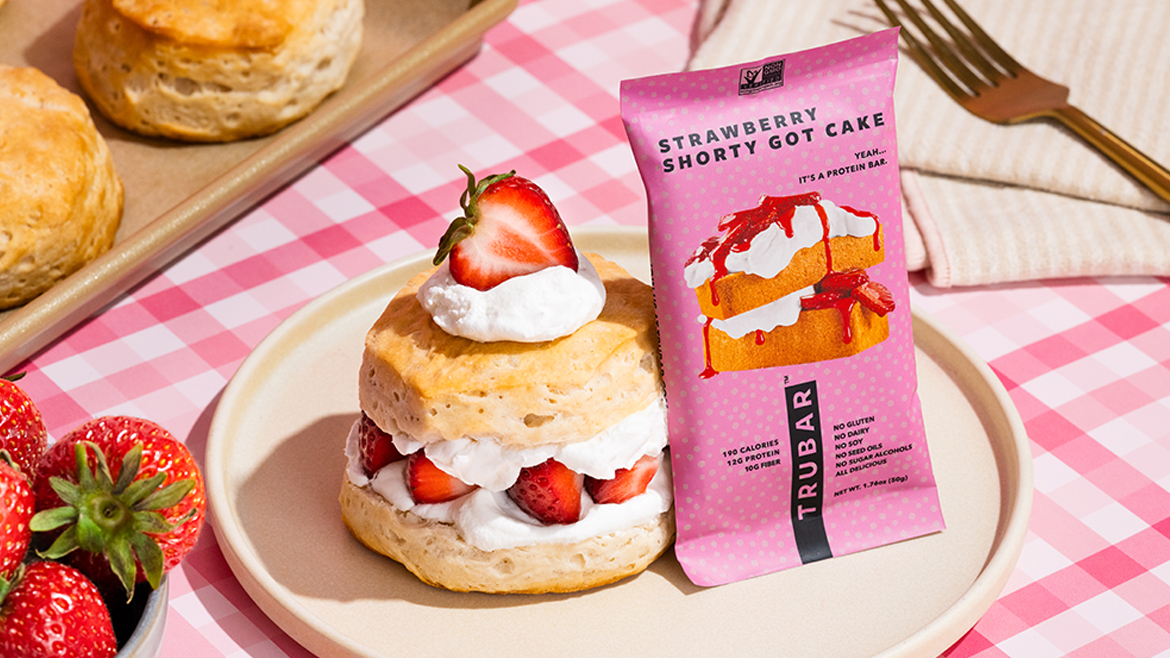
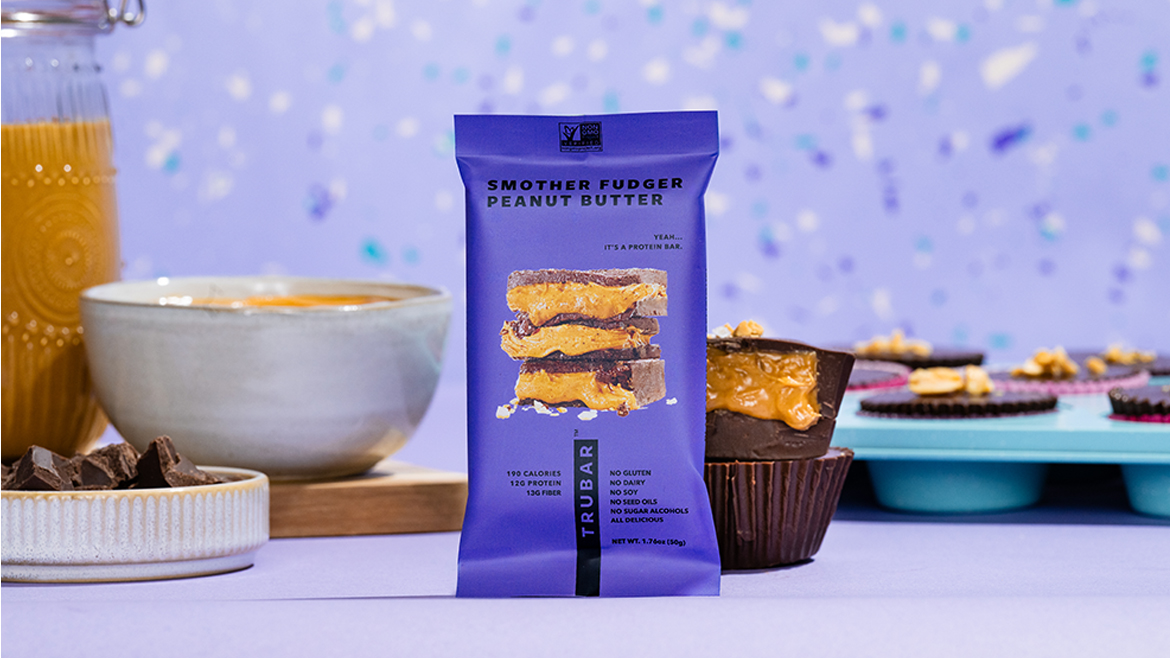
Groussman shares that Trubar recently debuted its Wicked Variety Pack in partnership with Universal, noting that it was an exciting cultural moment for the company and allowed it to merge indulgence, entertainment, and clean ingredients in a unique way.
 Courtesy of Trubar
“And this year, we are continuing to expand our innovation pipeline. We are launching bars with new partners and introducing new flavors that are very trend-worthy, as well,” she promises. “You will see more that tap into what consumers are already excited about culturally, but done the Trubar way with clean, plant-based ingredients. We are always working on what is next, and we move fast when we see opportunity.”
Shapiro says this past year has been Aloha’s busiest innovation period yet, starting with its Almond Butter Cup bar, followed by its third annual Hawai’i Special Edition bar, the Taro Bar. The bar featured taro cultivated in Kauaʻi's Hanalei Valley alongside Hawaii-grown macadamia nuts, and 10% of proceeds from all its Special Edition bars support local environmental programs across Hawaii.
“Late in Q4 we followed with Chocolate Cherry, which brought that same ‘real food, real flavor’ ethos to a classic combination that consumers absolutely loved. It sold out in just a few days on TikTok,” she enthuses.
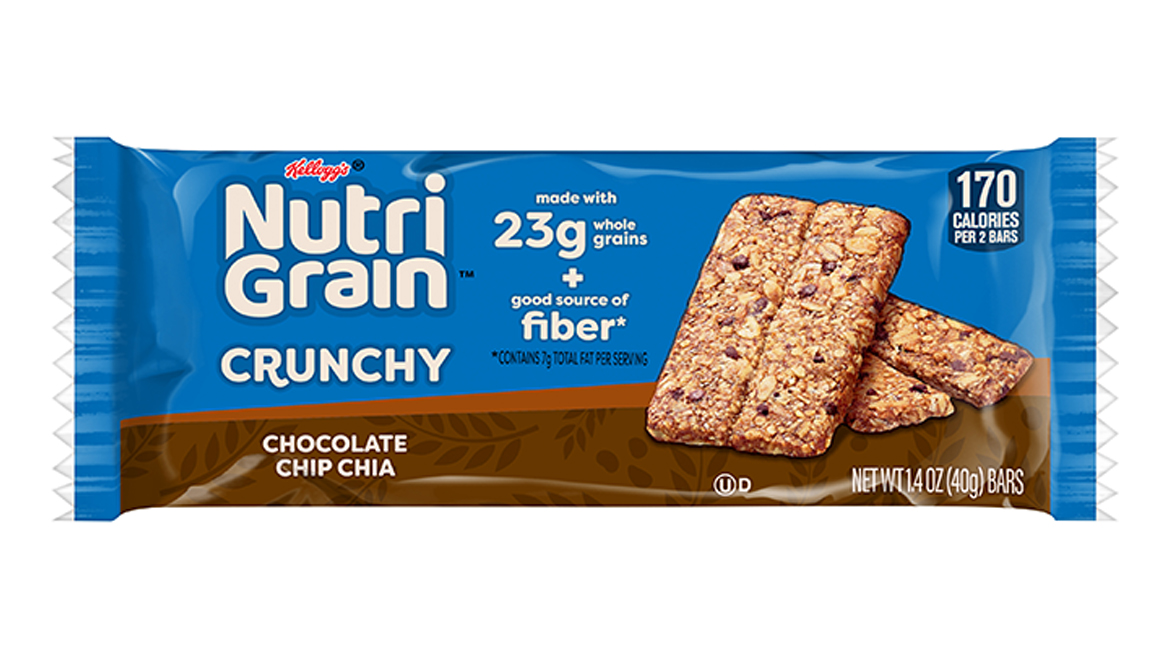
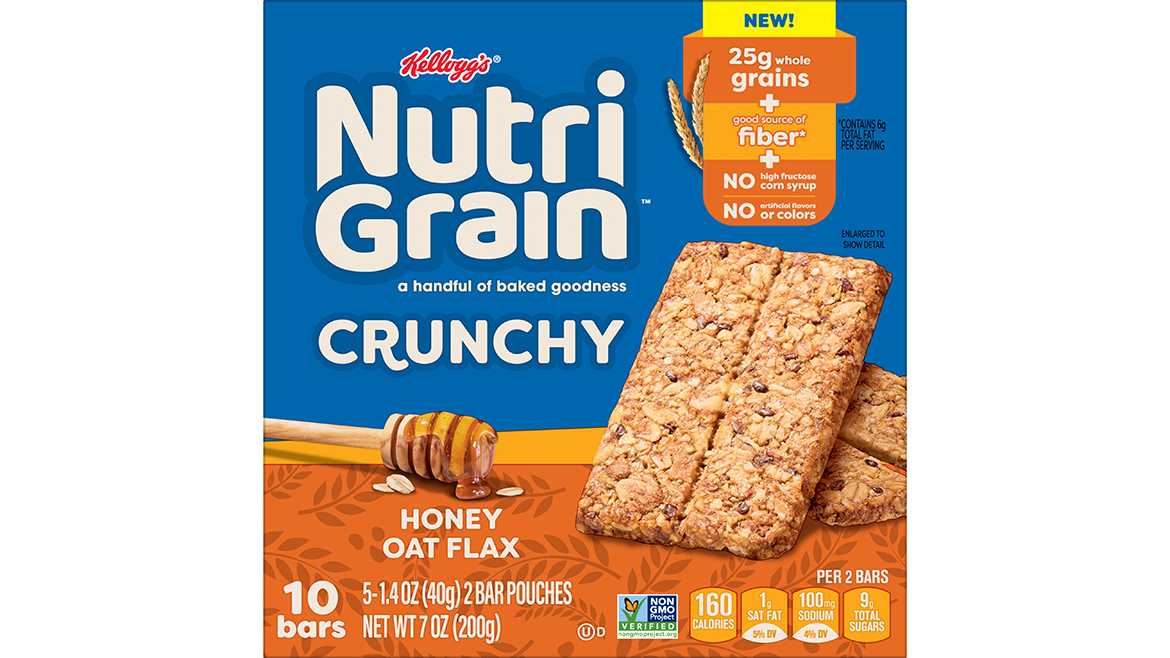
Flaherty-Yao relates that Nutri-Grain recently introduced the brand’s first-ever crunchy variety, available in Chocolate Chip Chia and Honey Oat Flax and including 23–25 g of whole grains.
“We’re constantly evaluating how nutrition priorities are shifting, and our R&D and marketing teams work collaboratively to translate those insights into products that feel both relevant and accessible,” she explains. “With Nutri-Grain Crunchy, for example, we saw an opportunity to bring together a crisp texture with whole grains and a good source of fiber—delivering on emerging interests without moving away from the familiarity and trust [we’re] known for.”
 Credit: Mars Snacking
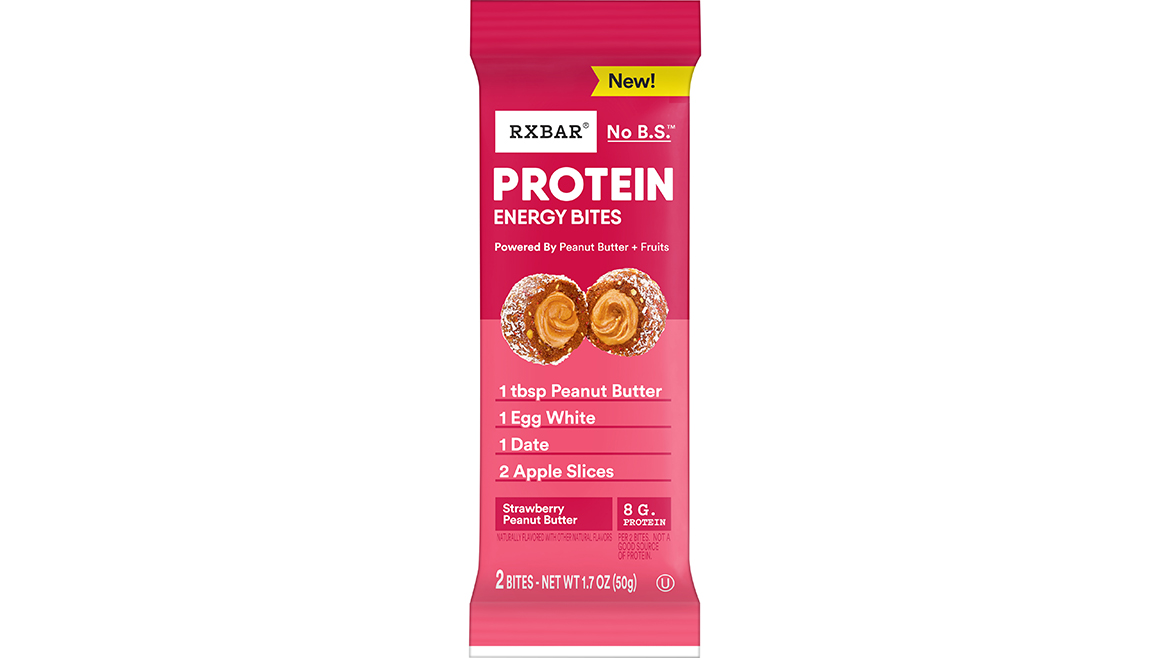
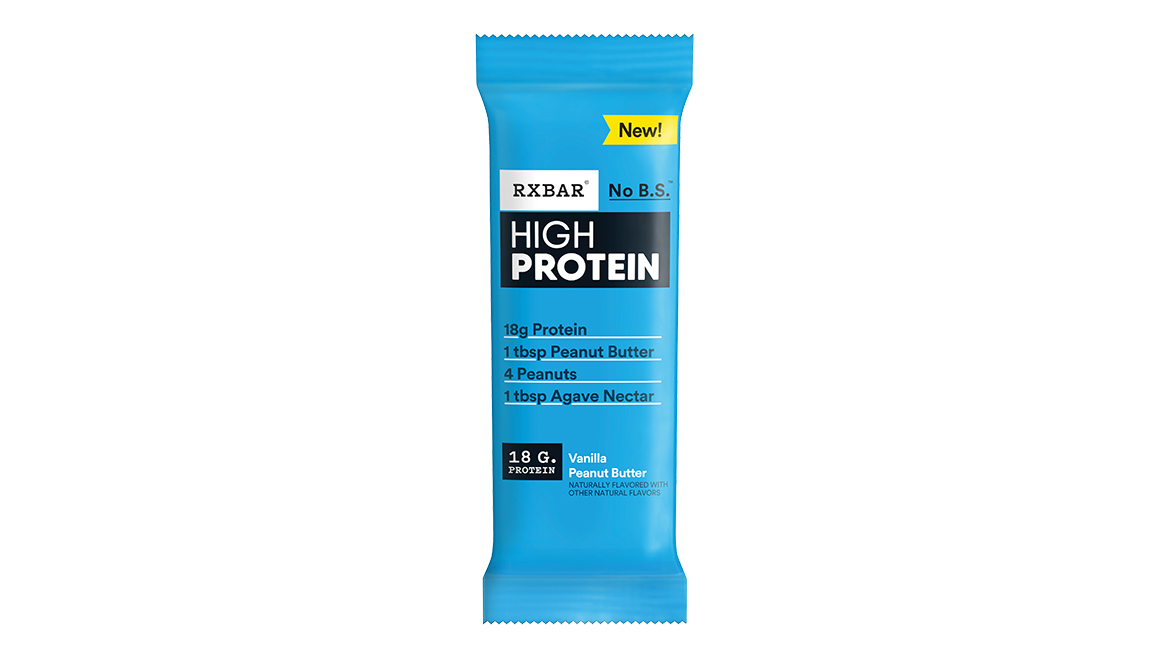
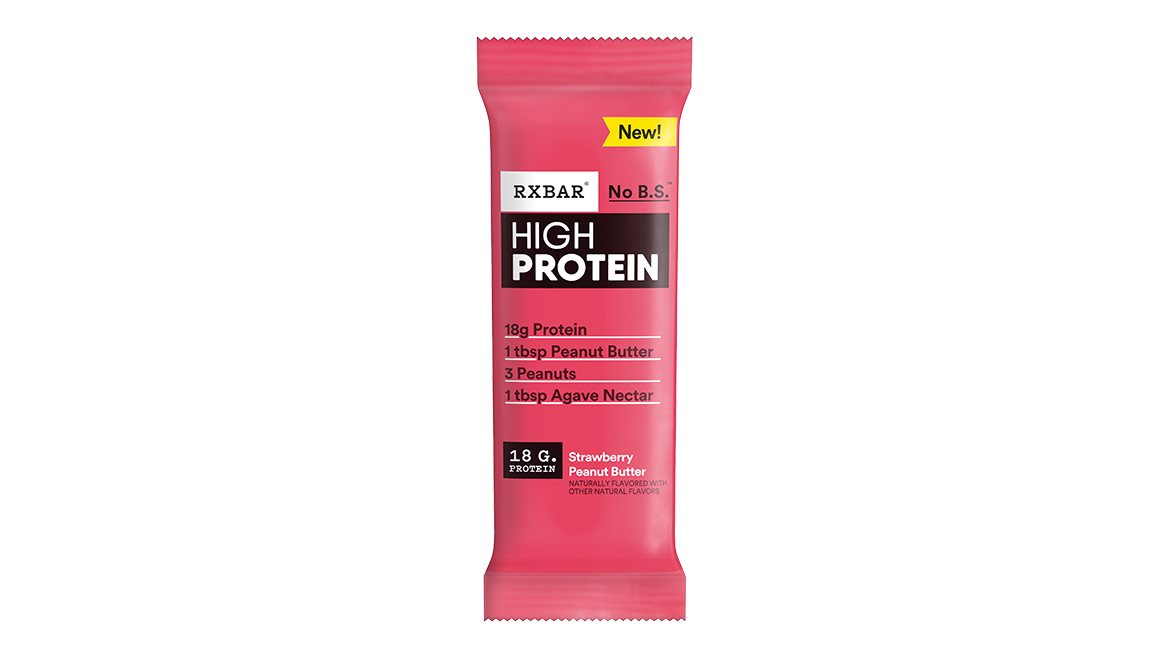
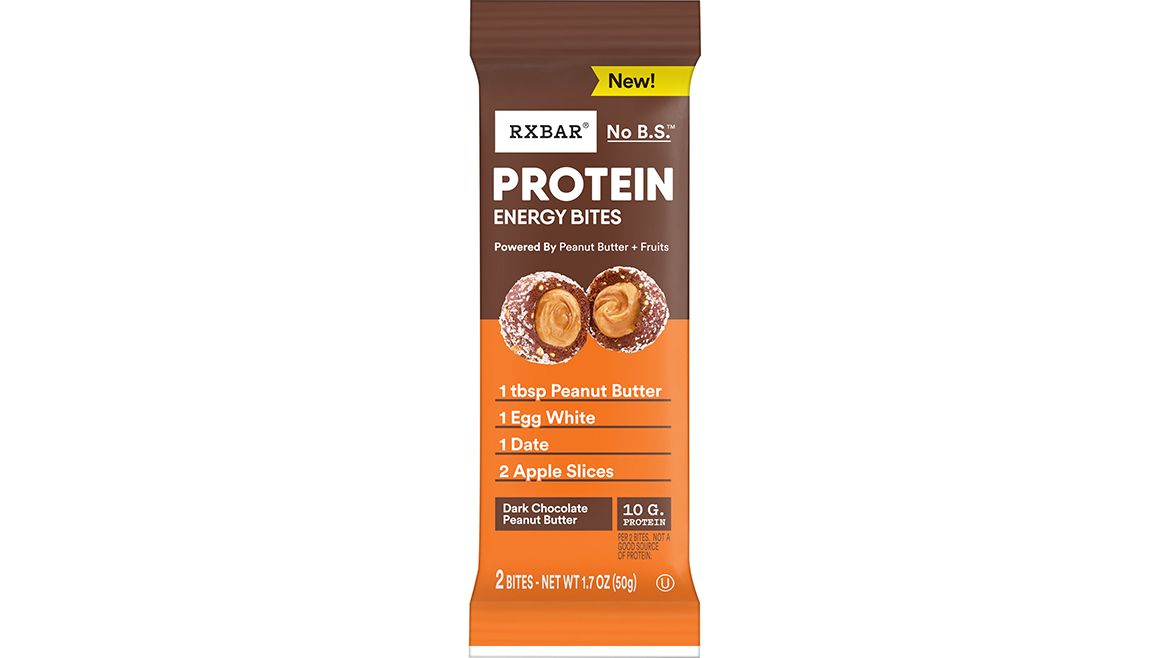
Khounborin notes that RXBar’s high-protein variety, released last year, contains 18 g of protein and just six ingredients, in Vanilla Peanut Butter and Strawberry Peanut Butter flavor options. The brand also recently launched RXBar Protein Energy Bites, with each pouch containing two bites with a chewy outer layer and creamy peanut butter center. The product is made with ingredients like peanut butter, egg whites, dates, and apples, and delivers 8–10 g of protein per serving, in Dark Chocolate Peanut Butter and Strawberry Peanut Butter flavors.
 Credit: Mars Snacking
DeLaughter says that although he can’t share specifics regarding upcoming launches, the brand is very excited about its new packaging that rolled out in January. The refresh delivers a modern look for the brand while still preserving the classic elements that consumers know and trust, he adds.
“Each carton now prominently showcases the bar and key ingredients—each flavor now has its own distinct visual identity, and the various formats feature clear call-outs that highlight their unique benefits,” he specifies. “At the same time, the consistent dark blue border across all flavors and formats creates strong brand cohesion and improves shelf recognition.”
Jones comments that Barebells recently launched two new protein bars, Peanut Butter & Jelly and Brownie Batter.
“Looking ahead, the brand has an exciting pipeline of innovations forthcoming, including a major summer seasonal launch,” he adds. “We remain focused on delivering great-tasting, high-protein bars and drinks that appeal to an even broader audience—making everyday choices taste better.”
Looking for a reprint of this article?
From high-res PDFs to custom plaques, order your copy today!