State of the Industry 2026: Breakfast’s big moment
Producers are finding success by delivering simple, delicious value in the category.
Over the past year, breakfast, a meal practically synonymous with comfort and reliability, has had to contend with rising costs, labor pressures, and shifting consumer priorities. Producers navigating this landscape are finding that consumer sentiment can run low even as spending power improves, and that the definition of “value” is being rewritten.
Newer behavioral factors have come into play, like the accelerating adoption of GLP-1 medications and how that affects consumer habits, and growing demand for products with protein, fiber, and clean ingredient lists. For market players, the response has become to keep things simple, innovate strategically, and build on what works.
Market data
Overall breakfast food sales and unit volumes over the past 52 weeks showed a fascinating pattern of gains and losses. According to information provided by Circana OmniMarket for the 52 weeks ending March 22, 2026, most major breakfast segments showed declines. A handful of brands and subcategories posting notable gains, however, even as the larger market softened.
Total shelf-stable cereal posted $12.8 billion in dollar sales, a decline of 1.2%. Unit sales fell a more modest 0.3%, suggesting pricing held relatively firm despite fewer purchases. Ready-to-eat cereal saw dollar sales off 1.0% and unit sales down a fraction of a percent. General Mills led with $3.3 billion, but saw a 3.7% drop year over year. WK Kellogg came in at $2.7 billion, down 4.3%, and Post Consumer Brands registered $1.9 billion, off 3.8%.
Private label fell 4.7% in both dollar and unit sales. Among smaller premium brands, Purely Elizabeth grew 59.4% to $177.9 million, and Catalina Snacks led growth at 80.6% to $147.1 million.
Hot cereal and oatmeal fared somewhat worse, with dollar sales declining 2.3% and units off 2.0%. Quaker, the dominant player at $1 billion, saw dollar sales off 4.1%. Private label fell even more sharply, down 8.2%. Several smaller brands gained ground, however: Bob’s Red Mill grew 9.7% to $139 million, Kodiak Cakes posted a healthy 7.4% increase to $104.7 million, and One Degree Organic Foods grew 42.8% to $55.3 million.
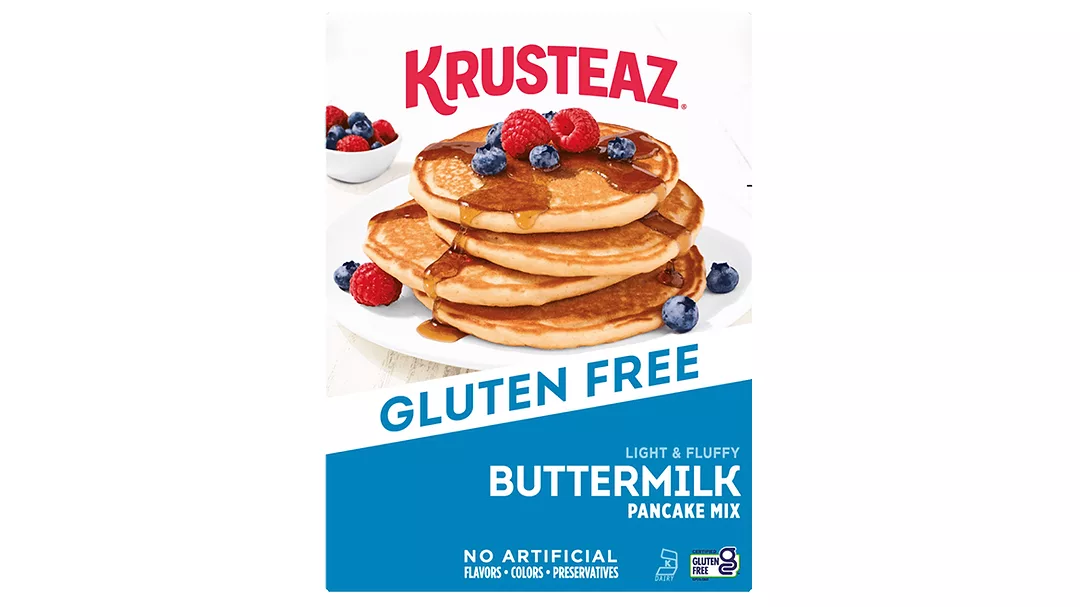
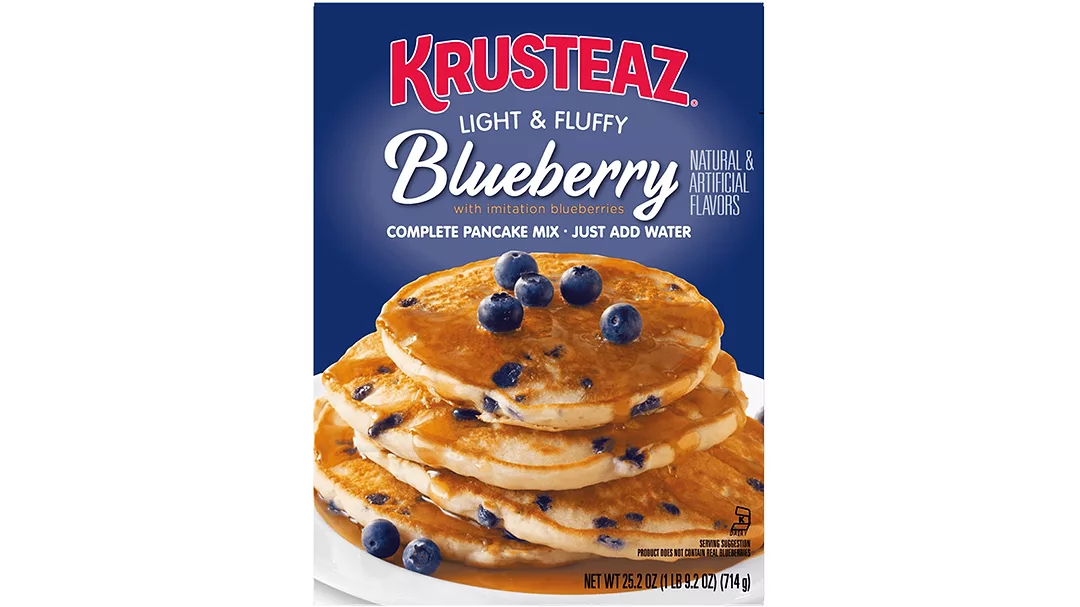
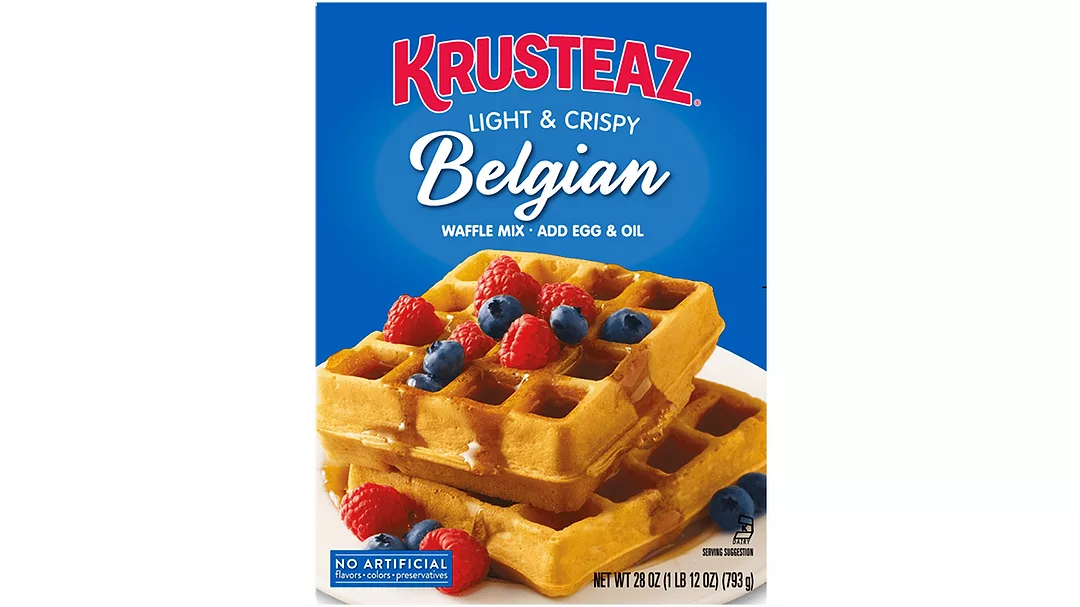
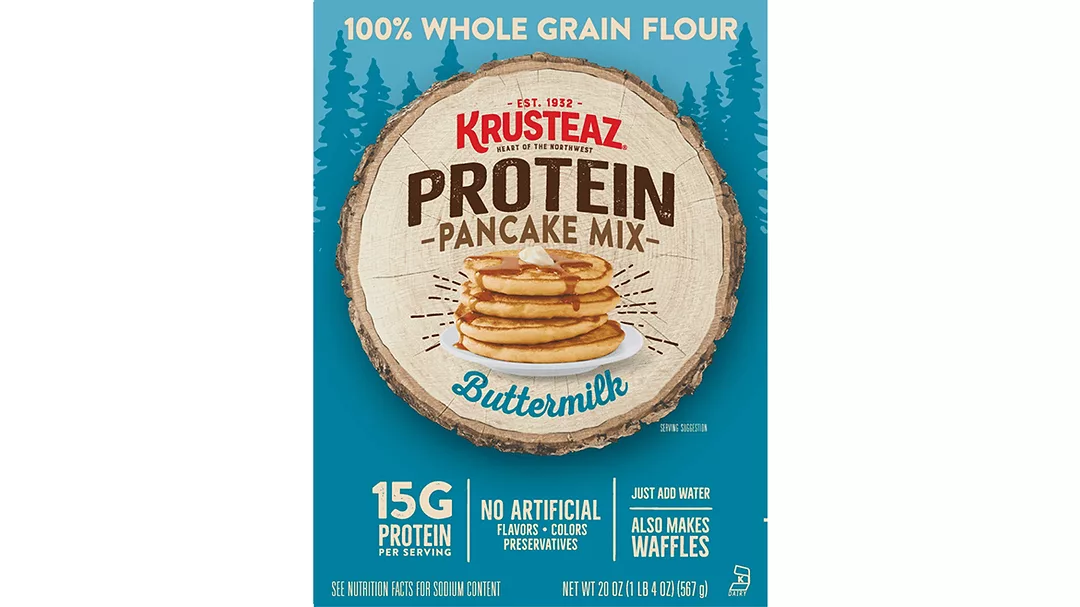
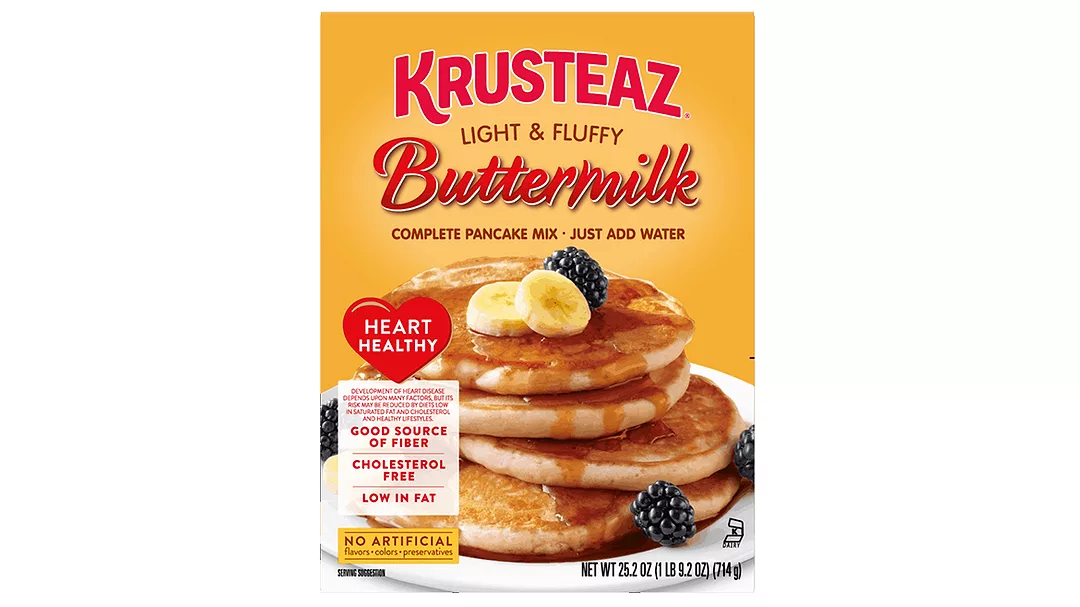
Shelf-stable pancake and waffle mixes generated $838.9 million in sales, down 1.8% in dollars and 2.8% in units. Kodiak Cakes held the top spot with $180.4 million, with a slight decline of 0.8%. Krusteaz came in at $143.4 million, roughly flat. General Mills posted the sharpest decline among large players, off 9.9% to $112.6 million. Among smaller brands, King Arthur Baking grew 27.8% to $16.4 million and Bob’s Red Mill was up 10.9% to $12 million.
Toaster pastries were among the weakest performers, with dollar sales falling 5.4% to $1.1 billion and unit sales off 5.6%. Legendary Foods was an exception here, growing 8.4% in sales to $105.7 million, with units up 11.0%.
Frozen breakfast, the largest segment at $5.9 billion, slipped just 0.5% in dollars but fell 3.0% in units. Frozen breakfast handhelds, at $2.9 billion, declined 0.6% in sales while losing 3.0% of unit volume. Hillshire Brands led with $1.75 billion, a slight 0.4% gain. General Mills fell 7.2% to $204.5 million, while Conagra grew 4.8% to $198.9 million. Mason Dixie posted a standout 112.3% increase to $9.2 million.
Frozen waffles generated $1.2 billion, declining 2.4%. Kellanova dominated at $829 million falling 5.1%). Kodiak Cakes grew a healthy 12.9% to $139.2 million, and De Wafelbakkers posted a 228.5% gain to $17.8 million.
Looking back
While the past year was not particularly smooth for the breakfast category, industry voices see a recalibration happening.
Andy Heily, president and CEO of Krusteaz, pointed to trade policy as a pressure point last year. “One of the most notable challenges over the past year was the pace of change in trade policy, particularly around tariffs, which imposed a cost across the entire industry,” he says.
“There are all sorts of regulatory burdens and other things that get absorbed, passed through, or addressed at the end of the day,” Heily explains. “What we want is certainty around our cost structure so we can adjust to that reality. This dynamic was different because it was very sudden and the sustainability of the policy was unpredictable.”
Heily sees the consumer sentiment picture as more nuanced than headlines suggest. “Consumer sentiment is historically low, but I think in this environment, it’s more of a trailing indicator than a leading indicator,” he notes.
“Consumers have been on the wrong side of the wage-to-inflation ratio for several years. Inflation was increasing faster than wages, but that’s changed this last year, and the consumer is spending accordingly.” Heily notes that the category historically “ebbs and flows with consumer sentiment,” but this moment feels different.
“The category is softening a bit, but off of all-time highs originally driven by the COVID-19 pandemic,” he says. “While there is some softening of demand, the category is dramatically bigger than it was in 2019.” One factor Heily believes is playing a part in breakfast sales is the accelerating adoption of GLP-1 medications, which he acknowledged may have affected consumer consumption patterns.
 Courtesy of Golden Waffles
Still, Heily remains optimistic because breakfast enables consumers to have “creative expressions of love.” For people buying breakfast products, he said, “it's not solely for their own consumption. It's really for people who are important in their lives."
Michael DiBeneditto, CEO of Golden Waffles, said growth is being driven by specific dynamics.
“Consumers are more intentional about where and how they spend, which means every visit has to feel worth it,” he says. “That’s played to breakfast’s advantage. It’s typically more affordable than other dayparts, and it delivers on comfort and familiarity—two things people are actively seeking right now. Operators are also being more strategic about where they can drive traffic without adding complexity.”
DiBeneditto notes a parallel shift in how operators approach execution: “There’s been a noticeable shift toward simplifying operations. Operators are leaning into products that are consistent, easy to execute, and flexible across the menu—prioritizing key strengths and low-lift products with high perceived value while reducing friction in the back of house.”
 Courtesy of Golden Waffles
Heily adds that breakfast holds an emotional dimension that insulates it from pure value-driven decision-making. Breakfast, he noted, enables consumers to have “creative expressions of love.” Breakfast isn’t just for the person buying the products, he says, but for the people who are important in their lives.
Looking ahead
Despite economic pressures, executives are cautiously optimistic about what comes next, with some conditions attached. The brands that will capture growth, they agree, are those that can read the consumer’s evolving needs quickly and respond without overcomplicating what breakfast has always done well.
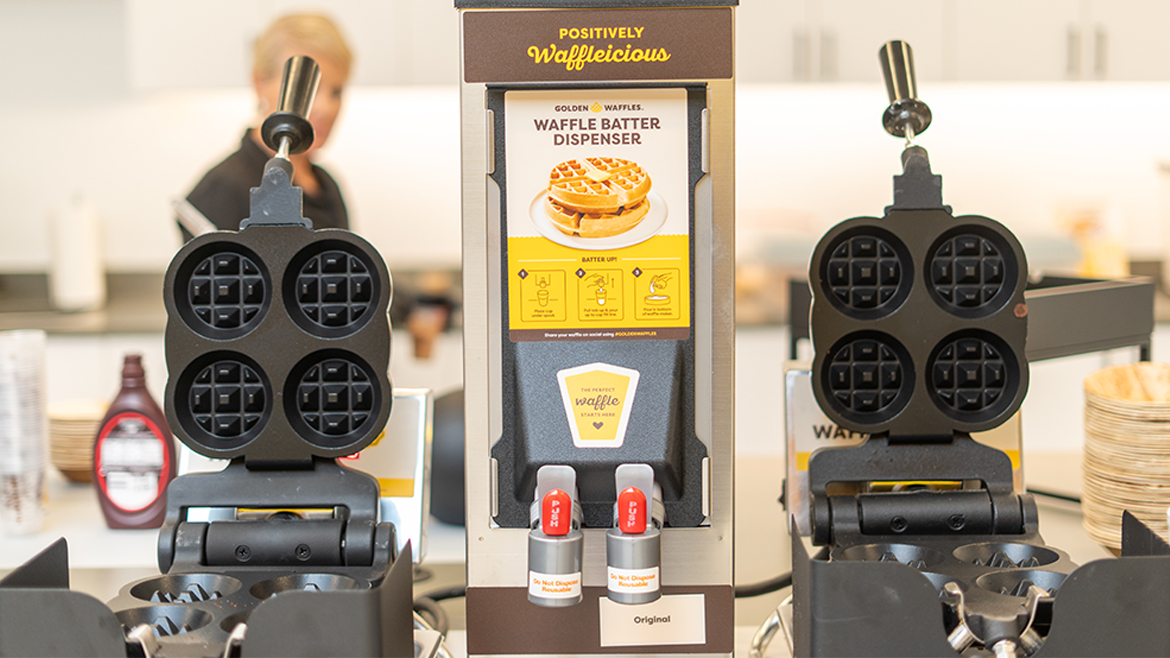 Courtesy of Taylor Mickal Photography
Heily sees a building of the consumer trend that emphasizes nutrition. “We believe that people’s desire for nutrient-dense, high-protein, high-fiber, whole grain, real ingredients will continue to grow,” he observes.
In response, Krusteaz has developed what he describes as “the best high-protein, high-fiber, 100% whole grain complete pancake mix on the market.” The company is also extending its footprint beyond flour-based mixes, with its Wild Roots single-serve Chocolatey Blueberry Protein Premium Trail Mix (12 g of protein in 1.75 ounces) as an example of its move into portable, better-for-you snacking.
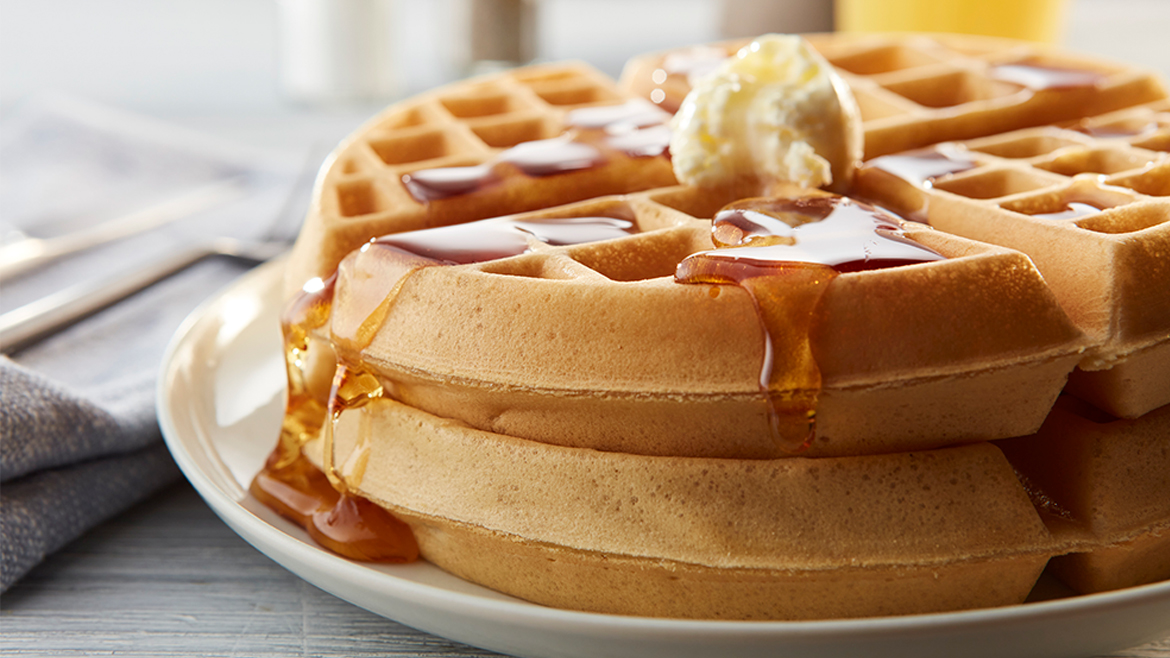 Courtesy of Golden Waffles
“That’s an example of how we address what consumers are looking for: nutrient-dense, high protein, on-the-go, better-for-you snacking,” Heily explains.
DiBeneditto points out that value is evolving beyond price alone: “Younger consumers tend to prioritize speed, customization, and novelty, while older guests often look for warmth, consistency, and familiarity. Protein is the headline nutrient, but flavor still leads. The key is incorporating functional ingredients in ways that taste good and feel effortless rather than overtly health-driven.”
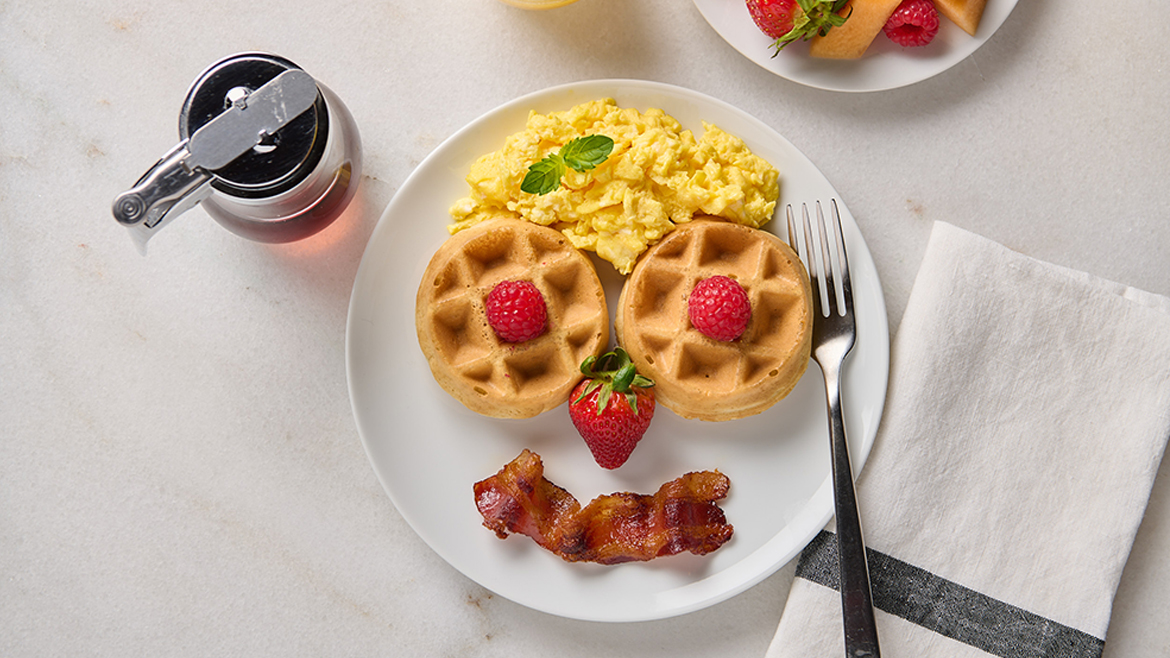 Courtesy of Golden Waffles
One significant behavioral shift DiBeneditto tracks is how daypart boundaries have blurred: “People are looking for items that work across occasions—breakfast, snack, lunch—and that’s pushing operators toward more versatile platforms that can flex across the menu.”
For DiBeneditto, waffles are a prime example.
“They’re a blank canvas. Operators can add variety through toppings, seasonal flavors, or savory builds without adding operational complexity—no new equipment, no new training, no significant additional ingredients,” he explains.
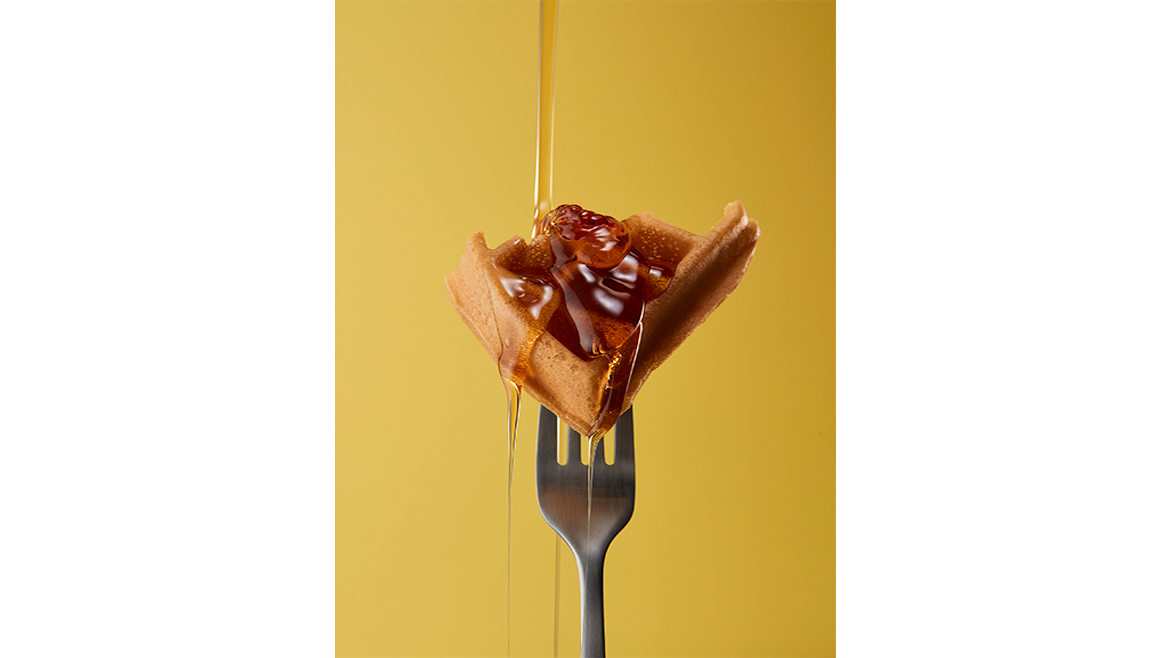
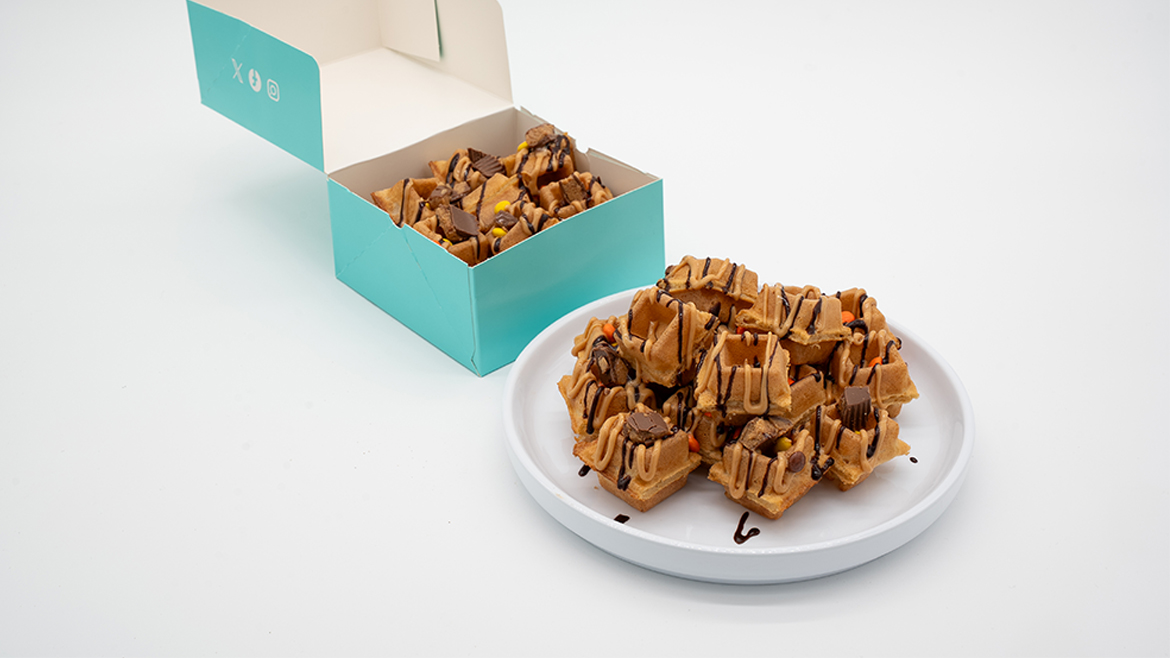
That flexibility is already showing up in new menu applications for the product. Dirty Dough’s Waffle Bites, DiBeneditto says, illustrate waffles moving into snack and dessert territory, while The Friendly Toast in Portsmouth, NH, accompanies its chicken and waffles with housemade Calabrian hot honey sauce.
Golden Waffles is acting on that same insight with a new line of Protein and Fiber Nutritional Boost Packs, designed to integrate directly into its waffle mix, giving operators a way to upgrade the nutritional profile of their menu without changing core processes.
Heily acknowledges that fragmentation of the consumer landscape is reshaping the competitive environment: “The days of three flavors and three brands dominating a category are over. We will see more diversification of products and brands meeting more consumers’ needs, and I think that’s a very positive development.”
What comes next? For DiBeneditto, the answer is to keep it simple.
“Don’t overcomplicate breakfast,” he says. “The reason it works is because it is familiar, comforting, and easy to understand. The opportunity is in building smarter on top of that, not replacing it.”
Looking for a reprint of this article?
From high-res PDFs to custom plaques, order your copy today!