State of the Industry 2026: Pizza innovation heats up
Producers in the category are striving for versatility, value, and broad appeal.
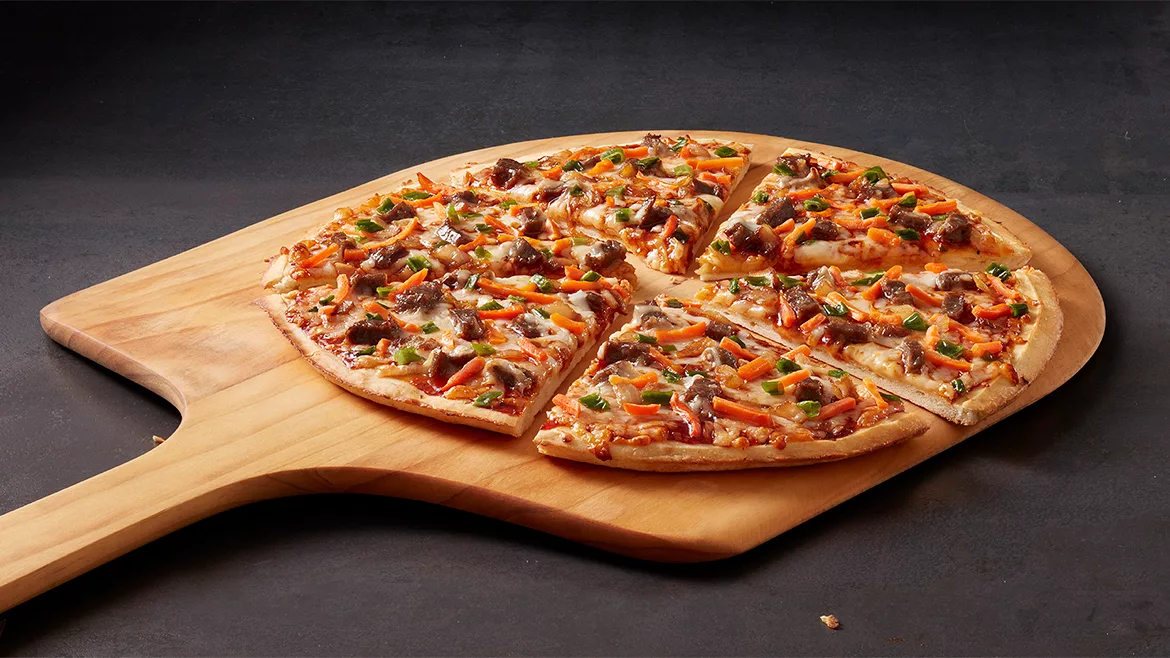
The frozen pizza category continued to stay saucy—that is to say, innovative—this past year. Producers know their core audiences and continue to appease consumers’ crust, cheese, and toppings preferences, whether they are needs (like gluten-free crust) or wants.
Market data
The frozen pizza category overall was mostly stagnant, according to Circana data from the past 52 weeks, ending on April 19, 2026.
Frozen pizza brought in $7.3 billion, dipping by 1.9%. Frontrunners in the subcategory were Nestlé USA, maker of DiGiorno and other brands, with $2.2 billion in sales but a loss of 1.3%; SFC Global Supply Chain Inc., aka Schwan’s Company, with $1.9 billion and a 0.4% uptick; and private label, with $1.1 billion in sales but a 4.4% decline.
In the frozen pizza crusts/doughs subcategory ($40.4 million in sales, experiencing a loss of 6.3%), Caulipower came in first, with $16.5 million of that pie and a 2% drop. Guttenplans Frozen Dough Inc. brought in $7.4 million, with a hefty 17.2% decrease, and private label took third, with $3.6 million in sales and a healthy 11.9% in growth.
Looking back
“Over the past year, pizza has once again proven its staying power as a go-to choice for consumers,” shares Stuart Domanowski, director of pizza with Rich Products. “The category continues to perform well, driven by its versatility, value, and broad appeal across occasions.”
At the same time, the industry has navigated a more complex operating environment recently, he notes: “Rising input costs have led to higher menu prices, while the rapid expansion of third-party delivery platforms has reshaped the competitive landscape, giving consumers more delivery options than ever before.”
Competition is fierce in the freezer aisle, says Gail Becker, founder of Caulipower, and with consumers being inundated with options, they can be extra selective in what brands they buy and support—which is great, she adds.
“In general, today’s market demands clean ingredients with no artificial flavors, etc., which could be a challenge for legacy brands who need to update their processes and products to appeal to a modern audience,” Becker continues. “This works in our favor however, as label transparency has always been a core tenet of Caulipower—we believe that consumers should have full visibility into and understanding of what they are putting into their bodies.”
 Credit: Caulipower
Katie Hagen, senior marketing manager for Schwan’s Co., says towards the end of last year, the frozen pizza category saw a noticeable decrease in consumption due to economic uncertainty. Consumers were more cautious with their spending and as their pockets tightened, they bought fewer pizzas, she explains. The good news is that the category is having a strong start to 2026: consumer trips increased 1.9% year to date in total frozen pizza as consumers sought out more deals.
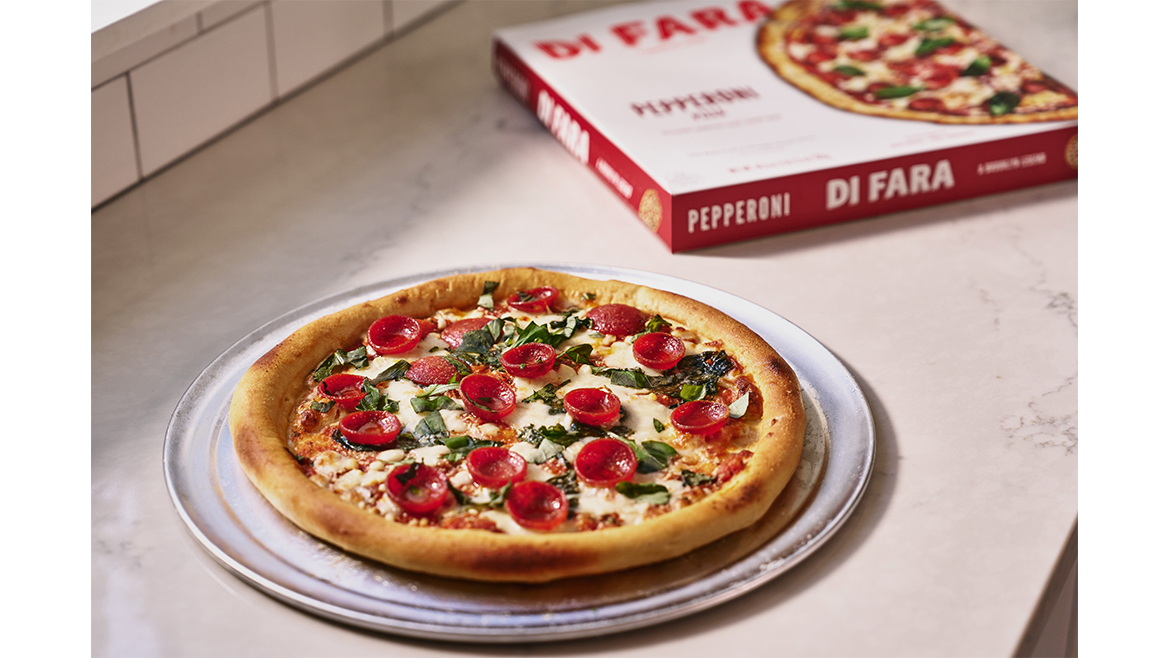
Bruno D'uva, CEO and co-founder of BossBites (parent company of Di Fara Frozen), notes a significant trend shaping the industry is that consumers want more restaurant-quality meals at home, as they are prioritizing products made with simple, high-quality ingredients and less preservatives.
“Better-for-you isn't a wave anymore, it's table stakes—shoppers read the back of the box the way they used to read the front, and that kind of formulation is hard to retrofit,” he comments, noting that Di Fara Frozen keeps improving its recipe to make it better. “[Our] latest move: we pulled seed oils out entirely and switched to olive oil. That's the work. You don't get to better-for-you in one launch and stop, you have to keep showing up for it.”
 Credit: Rich Products
Mike Rolland, co-founder and CEO of Yough, agrees, saying clean ingredients and higher protein are definitely top of mind for consumers: “We are a product that busy moms love for their families and kids, the fitness community with the macros being solid, and [we solve a major pain point for] GLP-1 users and the weight loss community, since our simple ingredients cater to their needs.”
Yough, which debuted in July 2023, went viral on TikTok right out of the gate, which helped give the brand some great early momentum, Rolland shares. It was the first company to launch a frozen pizza with Greek yogurt in the crust nationwide, and rolled out three pizza SKUs: Mozzarella Cheese, Uncured Pepperoni, and Farmer’s Vegetable.
Becker says the rise of GLP-1 medications has accelerated a broader ask for portion control, where people want smaller, appropriately sized, more satisfying servings that still feel complete and hit all of their nutritional goals: “And of course, it has to be easy—easy to make, and easy to eat.”
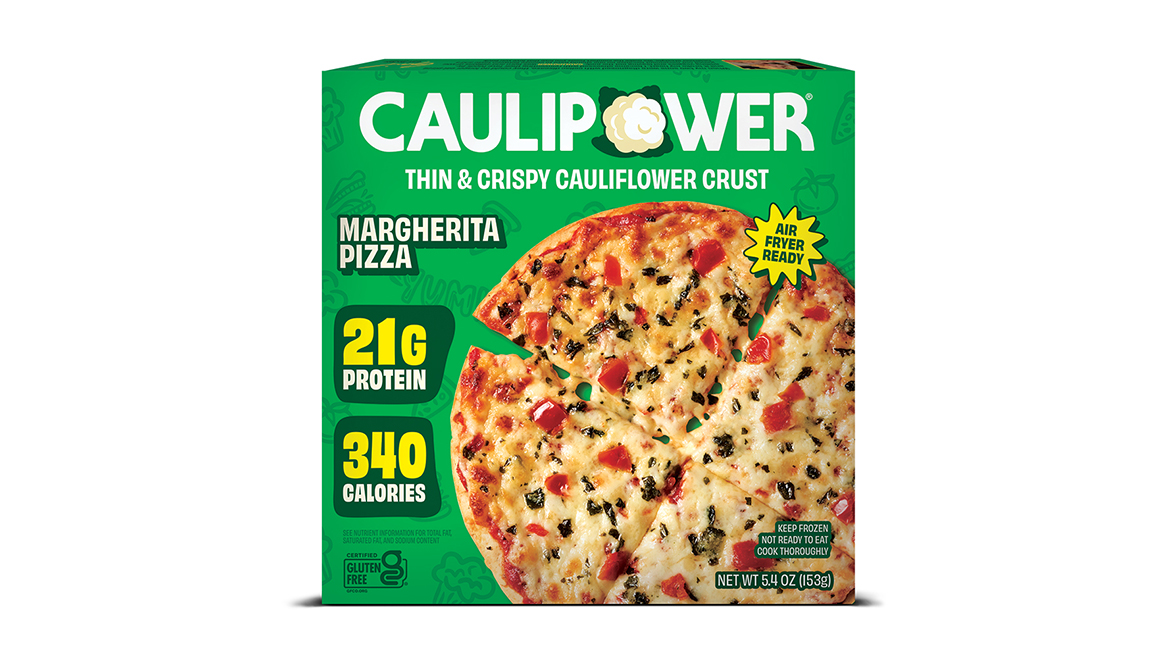
The brand recently entered the single-serve entree category with a selection of meals, including single-serve high-protein pizzas, in Cheese and Margherita options. Made with a new protein-forward cauliflower crust, each offers 21 g of protein and 340 calories per gluten-free pizza and is topped with mozzarella cheese, with Italian herbs and parmesan baked into the crust; the Margherita is finished with tomatoes and fresh basil.
“While it would have been easy to take our iconic cauliflower crust and simply make it smaller, we wanted to offer something more—something that was going to answer the call for protein that consumers are seeking today,” says Becker. “The market response has been great. Consumers appreciate the convenience and portion size, as well as the ability to enjoy a pizza that delivers on the protein they’re seeking without being a ‘calorie-bomb.’ The early read on repeat purchases is a positive indicator that the product is delivering on both taste and functionality.”
Looking forward
Hagan theorizes that as ingredient costs continue to increase and the share of wallet for consumers becomes tighter, manufacturers will have to be thoughtful on out how to manage this across their business—especially since consumers are price sensitive in the frozen pizza category.
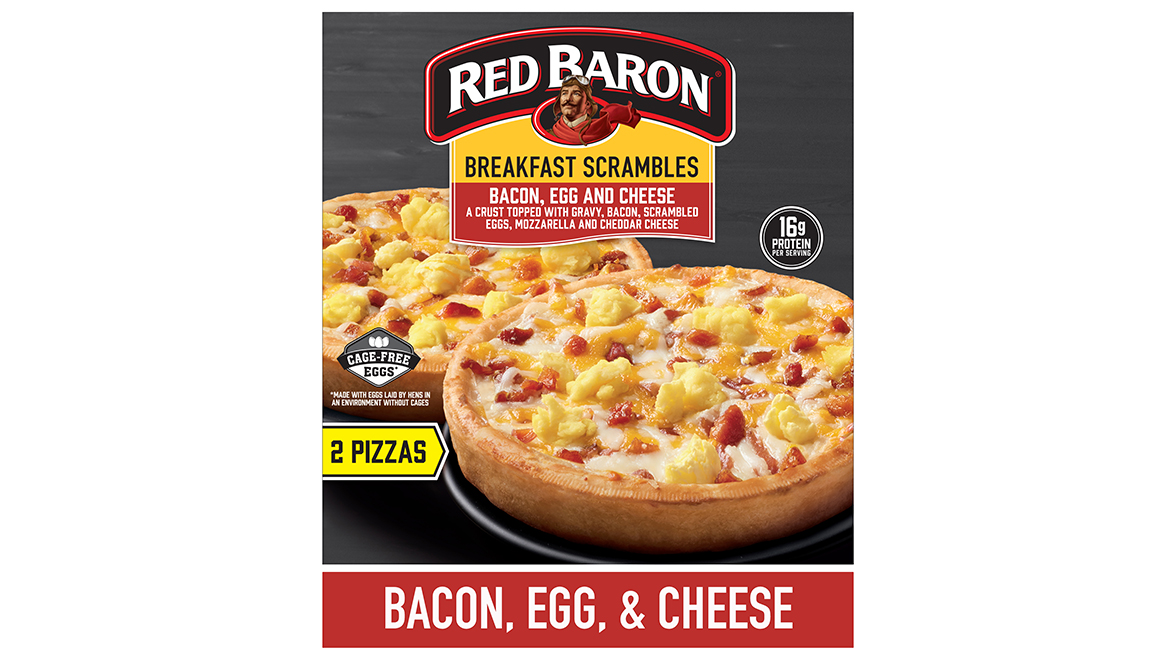
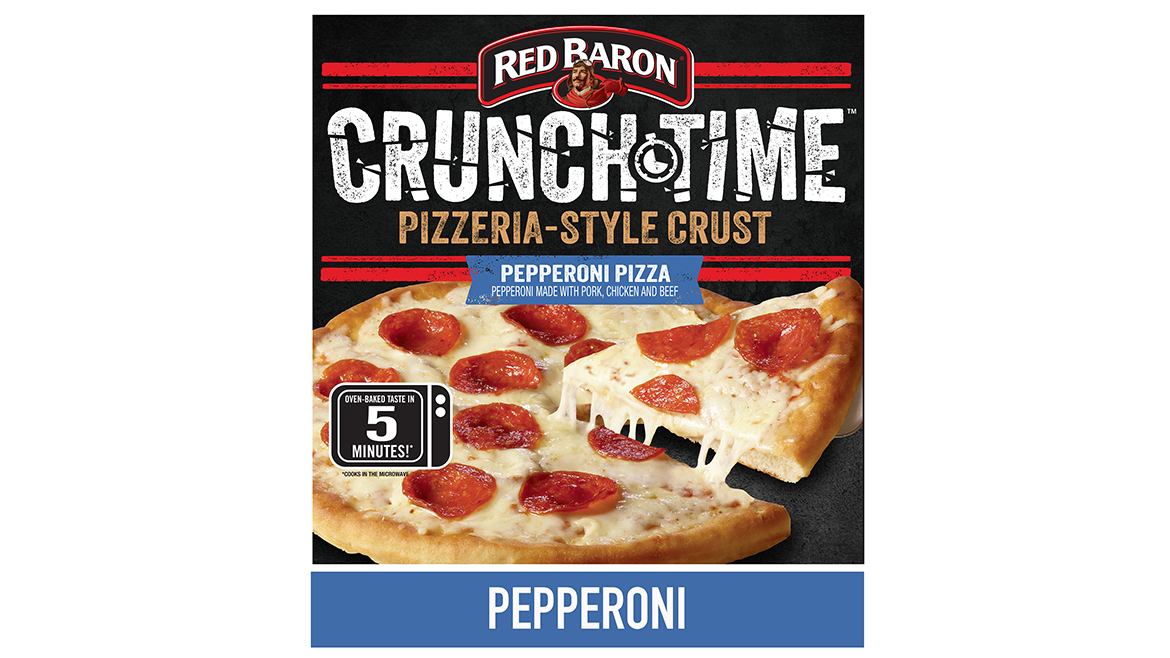
Red Baron recently debuted its Crunchtime pizza, which can currently be found in select stores and will have wider distribution this September. The pizza is a 10-inch, microwaveable multi-serve pizza that is ready in five minutes.
 Credit: Schwan’s Company
“It is designed specifically for microwave preparation and addresses the long-standing tradeoff between speed and texture—delivering a crispy crust and satisfying flavor,” Hagen describes, noting in the past, microwave pizza was limited to smaller, single-serve options, but says that Crunchtime breaks new ground by pairing a multi-serve format with microwave convenience. The new offering is available in Pepperoni, Meat Trio, and Four Cheese varieties.
 Credit: Schwan’s Company
Rolland is optimistic about the future, saying the pizza market is only going to continue to expand, and it’s now focused on what type of pizza that people are craving.
“We are seeing consistent signals from big-box retailers [being] way more cognizant of partnering with emerging brands that solve health pain points for consumers,” he notes. “This is why we feel strongly that simple ingredients and higher protein [aren’t] going anywhere; the key is that [the pizza] has to actually taste amazing. If we aren’t sacrificing taste while bridging the convenience and healthier bridge, it’s a win.”
 Credit: Schwan's Company
Yough has other pizza flavors in the pipeline and also plans on innovating more within pizza, revolving around potential snacks, Rolland teases: “We can’t disclose future products at the moment, but we are excited with the opportunity around our brand identity and the opportunity we have to expand our horizons, potentially.”
Di Fara Frozen was launched in October 2024 in 300 stores, and 18 months later the brand is in more than 3,000 doors, including Kroger, The Giant Company, and Target—plus is on track to be in 10,000 before the end of the year. The brand is planning on expanding into more formats, too.
“The macro story backs it up: commodity frozen pizza is essentially flat, but the premium, restaurant-quality tier is accelerating. Consumers are pulling back on $40 takeout pizzas and trading up from $5 freezer staples in the same shopping trip, and that collision is happening right in the zone Di Fara Frozen was built to occupy,” D’uva shares.
The other thing D’uva is watching: “frozen” is finally shedding its apology: “Younger shoppers don't carry the same cultural baggage about the freezer aisle. If the ingredients hold up and the bake looks like something they'd actually order, they're in. That's a tailwind the category hasn't had before, and we’re excited to lean into this shift.”
 Credit: Di Fara
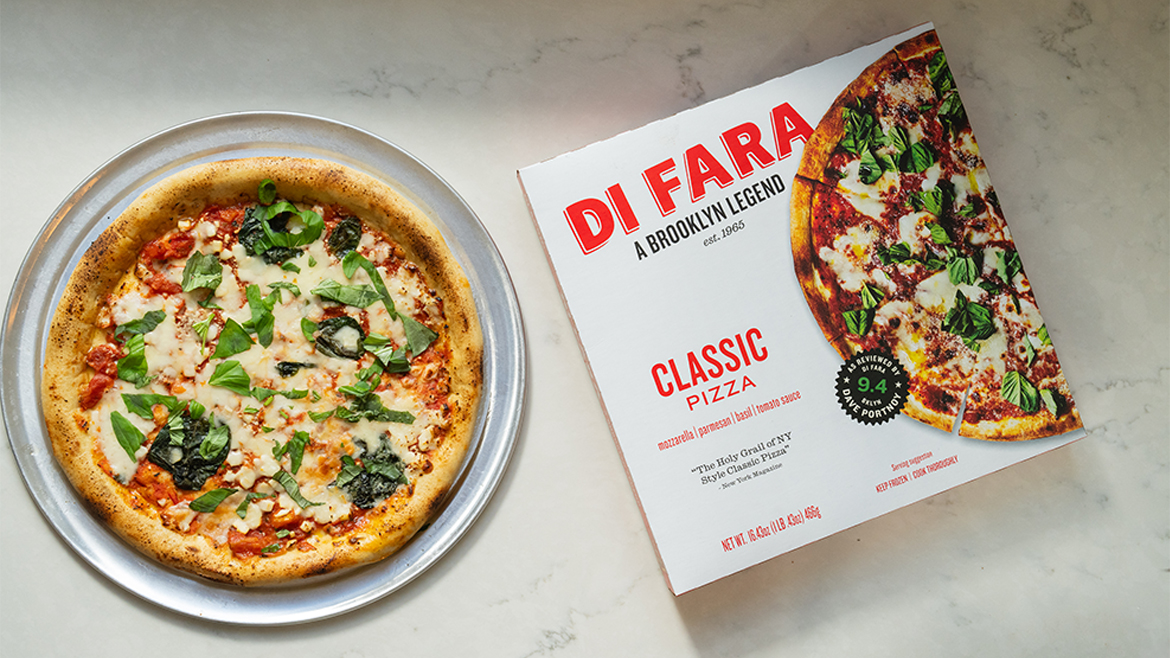
In April this year, BossBites launched its Grandma Pizza line at ShopRite and The Giant Company, available in three flavors: Classic Cheese, Pepperoni, and its award-winning Vodka Sauce. According to the company, a “Grandma slice” is a hand-stretched, pan-baked pizza with an olive-oil-coated bottom, topped with fior di latte mozzarella, parmesan, tomato sauce, and fresh basil—reportedly resulting in a crust that’s light, airy, and crispy at the edges.
 Credit: Di Fara
There is a lot of innovation happening behind the scenes to create products that really make a difference for consumers, and the potential there is endless, comments Becker.
“Unique flavor and product combos (for example, our Dill Pickle Pizza) have been very popular this past year and will only continue to grow as brands explore creatively and [identify] exciting partnerships. While not an emerging trend, nostalgia is always a trendy element that brands across categories lean into to find success, and I’m sure that isn’t ending anytime soon,” she adds.
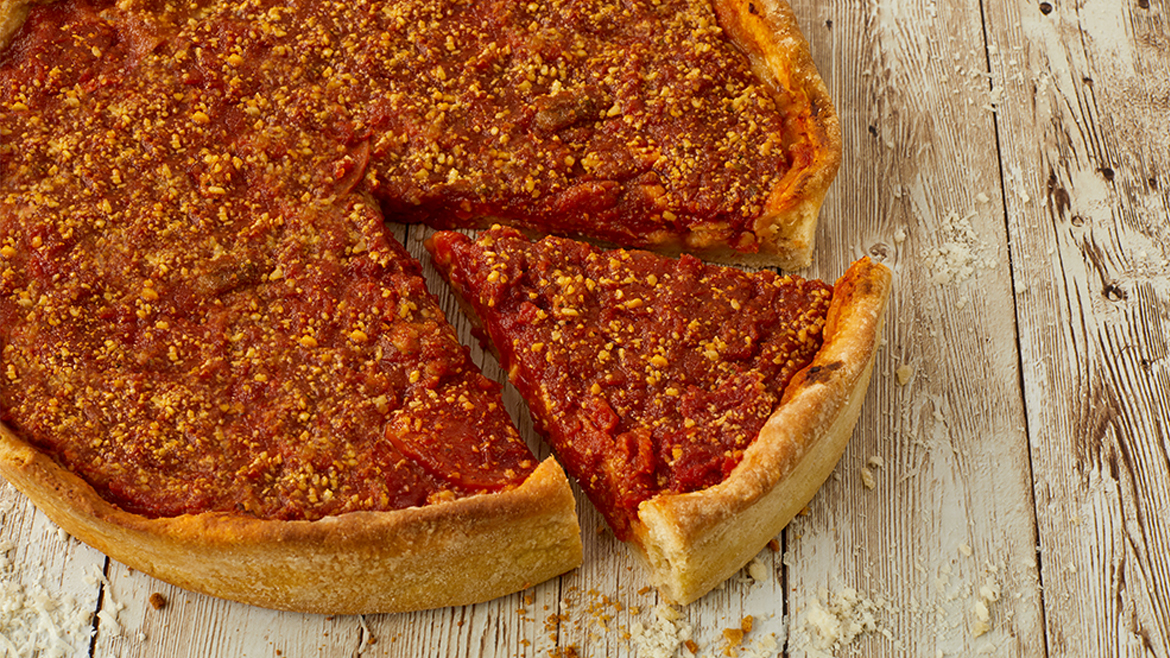
Domanowski says consumer openness to different pizza styles continues to expand, particularly among younger demographics like Gen Z: “There is a strong and sustained growth in regional styles, such as Detroit-style pan pizza and Chicago-style deep dish, while tavern-style or bar-style pizza is gaining traction as a thinner, more traditional option.”
 Credit: Di Fara
Labor and operational pressures will continue to be among the most significant challenges facing the pizza category, he predicts, saying staffing restraints have required operators to think differently about how they deliver on evolving consumer expectations—particularly as menus become more complex and trend-driven.
“While pizza has historically been synonymous with delivery, consumers today have more options than ever before. This increased competition is putting pressure on operators to drive traffic and differentiate—often through more unique value offerings, promotions, and limited-time offers designed to capture attention and keep the category top-of-mind,” Domanowski opines.
Rich Products recently snapped up Great Kitchens Food Company, striving to significantly expand its capabilities in fully topped pizza, including the addition of products from the Pizzeria Uno brand. The acquisition allows the company to bring popular formats like authentic Chicago-style deep-dish pizza into its portfolio at scale.
“What sets these offerings apart is the combination of menu versatility, operational efficiency, and on-trend appeal,” Domanowski adds. “Whether it’s fully topped pizzas that simplify back-of-house labor or differentiated crust options that meet evolving dietary preferences, our focus is on helping customers stay competitive and capture consumer interest.”
Looking for a reprint of this article?
From high-res PDFs to custom plaques, order your copy today!