As snack and bakery categories shift and draw inspiration from one another, producers are finding opportunities to adjust the ingredient makeup in traditional products to create new snacking opportunities.
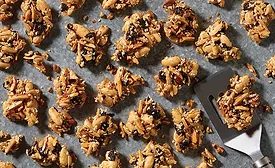
While a wider range of nut and seed butters have enjoyed an ascent in popularity over the past few years, riding the wave of peanut butter’s perennial popularity, they’ve only recently begun to see wider use as a typifying ingredient in snack and bakery applications, including cookies.
In a retail landscape that demands that snacks and baked goods have it all—great taste, affordable pricing, innovative flavors, recognizable ingredients and boosted nutrition—one category in particular is rising to the challenge: cookies.
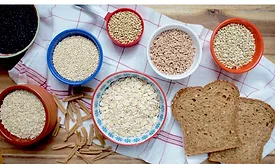
In the most recent Dietary Guidelines for Americans, the USDA recommended that we consume 6 ounce equivalents of grains per day, half of which should be whole grains.
As the whole and ancient grain wave continues to surge, chefs and product developers alike are pushing the envelope on the next evolution of breakfast, baked goods, appetizers and snacks.
A friend once told me that she wouldn’t be impressed by technology until she could download a snack. Although we are not quite at the level of the Jetsons, the snacking trend continues to grow.
September is Whole Grains Month, and the Boston-based non-profit Oldways Whole Grains Council (WGC) is encouraging people everywhere to join the celebration by supporting “Good Grains for a Good Cause.”
Per IRI, Chicago, the salty snacks category was valued at $22.6 billion for the 52 weeks ending April 16, 2017—a number that encompasses potato chips, tortilla chips, extruded/puffed snacks including cheese puffs, ready-to-eat (RTE) popcorn, corn chips, pretzels and pork rinds—and sales were up 3.60 percent for the year (see the July “State of the Industry—Snacks” issue for detailed category data).
The current plant-based protein trend is directly in line with public health findings, including recommendations to increase intake of nuts to improve overall diet quality. Nuts and seeds contribute dietary nutrition, as well as adding flavor, visual interest and texture to snacks and baked goods.
According to FDA, more than 160 foods can cause allergic reactions in people with food allergies. In the U.S., federal regulatory bodies identify eight most-common allergenic foods, which FDA says account for 90 percent of allergic reactions related to food.