BFY bar brand leader details ‘fibermaxxing’ trend
Aloha’s CEO shares insights on incorporating fiber in foods consumers respond to
Protein has been high on consumers’ list of prized BFY benefits for some time now. Many CPG products in various sections of neighborhood grocery stores are packing in 30 g or more of the substance per serving, and its popularity does not appear to be waning.
Now, though, fiber is having its moment. As Americans seem to be trying to get as much protein in their diet as possible, folks now are starting to significantly boost their fiber intake, reaching for foods with high fiber content listed on the Nutrition Facts labels. Some BFY brands are already ahead of the fiber game—for example, protein bar brand Aloha offers items with fiber levels around 10 g per serving. However, according to CEO Brad Charron, bakery and snack producers must be mindful of balancing fiber content with things like taste and texture to offer consumers maximum satisfaction.
Jenni Spinner: Could you please tell us a bit about Aloha—how the company got started, the products it offers, how you’ve grown over the years, and what makes it special?
Brad Charron: Aloha launched in 2013 as a superfoods/food-tech company and while the vision was interesting, the consumer relevancy and business execution was not. In 2017, I re-formed the Company from insolvency to turn around a faltering business. It was “re-founded” with a new, much clearer and focused vision; an employee-owned and operated “better food” B Corp committed to making the healthiest, best-tasting protein products on the planet.
When I joined, it was arduous to find everyday food that matched how I actually wanted to eat. A lot of products in the category felt engineered vs. craveable. We wanted something that set a new standard: real ingredients, organic sourcing, uncompromising taste, with nutrition that made common, everyday sense. We began with protein bars, because they’re such a common and convenient touchpoint for many different types of people and occasions, and expanded into shakes and powders as the brand grew. We could keep growing into new product categories if we wanted to. The brand definitely has the ability to stretch. Our company’s growth itself has expanded exponentially yet sustainably over the last 8 years, both digitally and in physical retail stores, all with fewer than 30 full-time fellow employee-owners.
With a food philosophy that guides our product creation from Day One through today. We have avoided chasing trendy white spaces or fads and, instead, built products that people have come to trust and can rely on. We stayed disciplined and tuned out the noise so we could focus on making really good food without compromise. That restraint has kept us relevant and given us real staying power.
JS: Protein has been the star of the BFY show in recent years, but fiber is definitely having a moment—could you please talk about that trend, and the concept folks are referring to as fibermaxxing?
BC: Fiber has been an afterthought for so many people for a long time, so I’m happy to see that people are starting to recognize its importance. We built this into our food philosophy from the start 8 years ago, not because it was trendy but because fiber is imperative to balanced nutrition.
And while the fibermaxxing word and trend might be catchy, it’s also a bit misleading. Similar to protein or other nutrients, the goal shouldn’t be to cram as much fiber as possible into everything or to shift focus away from protein to fiber obsession. Better food design should be about eating enough high-quality, bioavailable fiber from the right kinds of sources, consistently. Luckily, consumers are starting to connect fiber to satiety, blood sugar stability, and overall metabolic health — not just digestion. There is a more mature conversation going on far beyond “fibermaxxing”, and it is opening the door to better products instead of louder ones.
 Courtesy of Aloha
JS: The increasing consumer interest in fiber in bakery and snack foods will likely drive more product launches and reformulations. What challenges do you see producers running into?
BC: Fiber is unforgiving. It changes texture, it changes flavor, it changes the holistic product experience.. Like any recipe, you can’t just “dial it up” without consequences. A lot of brands will discover that if they take an isolated additive philosophy to products, especially if they’re relying on isolated fibers or trying to retrofit existing products that weren’t built for it from the onset. There’s also a consumer tolerance issue that doesn’t get talked about enough. Consumers may say they want more fiber, but they don’t want products that feel harsh or artificial. Oh, and then there’s ingredient sourcing. High-quality fiber ingredients, particularly USDA organic ones, aren’t always easy or cheap to work with at scale. So there’s real pressure between doing it right and doing it fast. Aloha’s patience and practicality as an operating model allows us the time and perspective to get each and every product we offer to its optimal state to encourage consumer adoption and retention.
JS: Aloha has a head start in this area—why has fiber always been part of your plan?
BC: Because if you start with real food, fiber just shows up. We never sat down and said, “Let’s make a high-fiber and high-protein bar.” We said, “Let’s make something using real food that tastes amazing, that actually keeps you full, digests well, and doesn’t create the dreaded ‘spike and crash’.” The fiber content followed naturally from working with real food ingredients. The primary source of fiber we use is tapioca fiber which is an organic, plant-based source of soluble fiber.
JS: What about the future—do you plan on taking fiber even higher or launching ultra-high-fiber products?
BC: We’re cautious about that. Again, we don’t engineer our products; we create better food. There’s a difference between improvement and escalation. More fiber isn’t automatically better, especially if it begins to compromise taste, texture, or how people feel after eating the product. We’re interested in smart formulation, not extreme numbers.
If increasing fiber makes sense in a way that still feels like food, we’ll explore it. But we’re not interested in winning a spreadsheet comparison like some brands seem to be.
JS: What else does your company have planned for the future?
BC: You’ll see us continue to expand in retail, selectively, but with more aggressiveness than we have in the past. And, just like consumers expect of us, we’ll be launching some exciting new bar flavors this year, including our very popular “limited time edition” and Hawaiian special edition bars. We’re focused on everyday use cases—things people eat because they want to, not because they feel like they have to.
JS: Finally, what’s your favorite product in the portfolio?
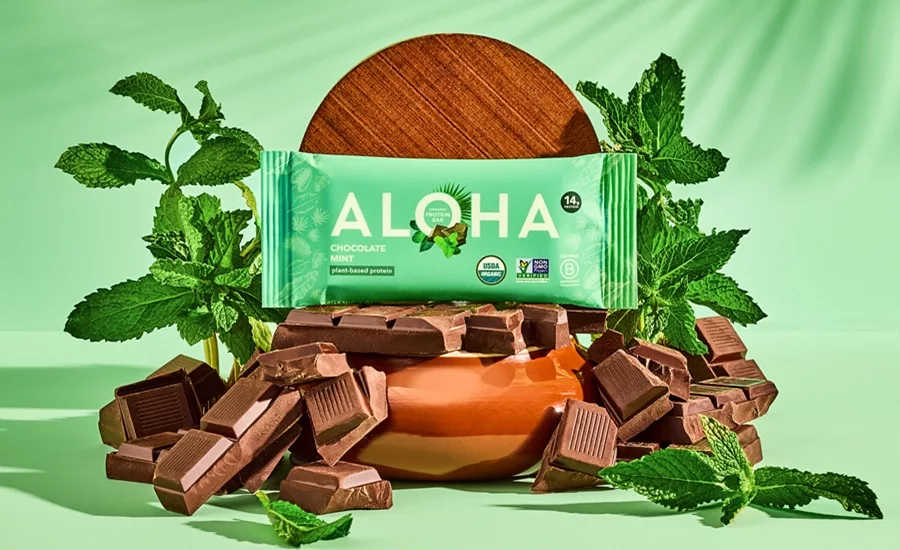
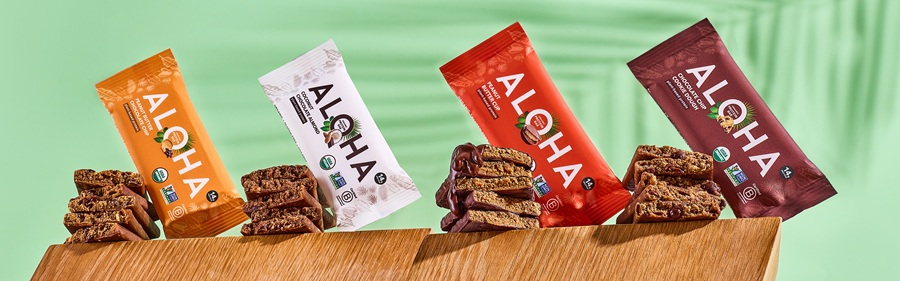
BC: I rotate around, just like many of our consumers do. They don’t have a favorite; they have favorites, plural! The Peanut Butter Cup bar still feels like the clearest expression of what we’re trying to do (there is a reason it continues to be our top-seller). It’s familiar, satisfying, and nutritionally sound without being precious about it. I also eat the Chocolate Mint bar pretty regularly. It reminds me of a Thin Mint and is the perfect balance of healthy and indulgent (secret trick: try throwing it in the freezer for a frozen treat). Lastly, the Hawaiian Special Edition bars are the complete package— sustainably-sourced from local Hawaii farms and world-class delicious.
Related: Aloha debuts Chocolate Cherry bar
Looking for a reprint of this article?
From high-res PDFs to custom plaques, order your copy today!