State of the Industry 2026: Sweet goods producers show creativity, resilience
Consumers still want their moments of sweet indulgence, and bakers are delivering.
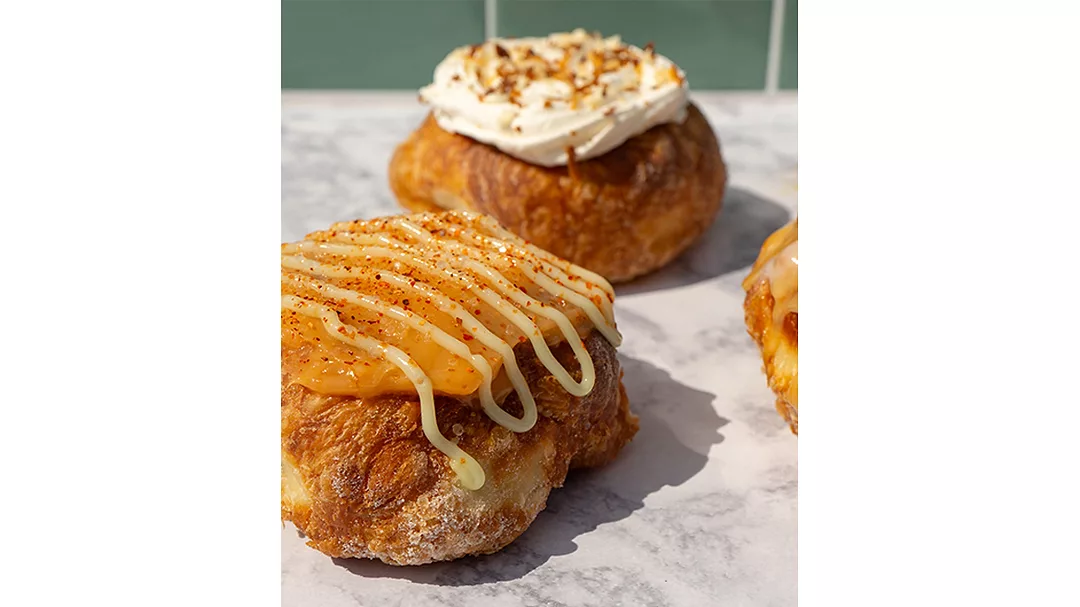
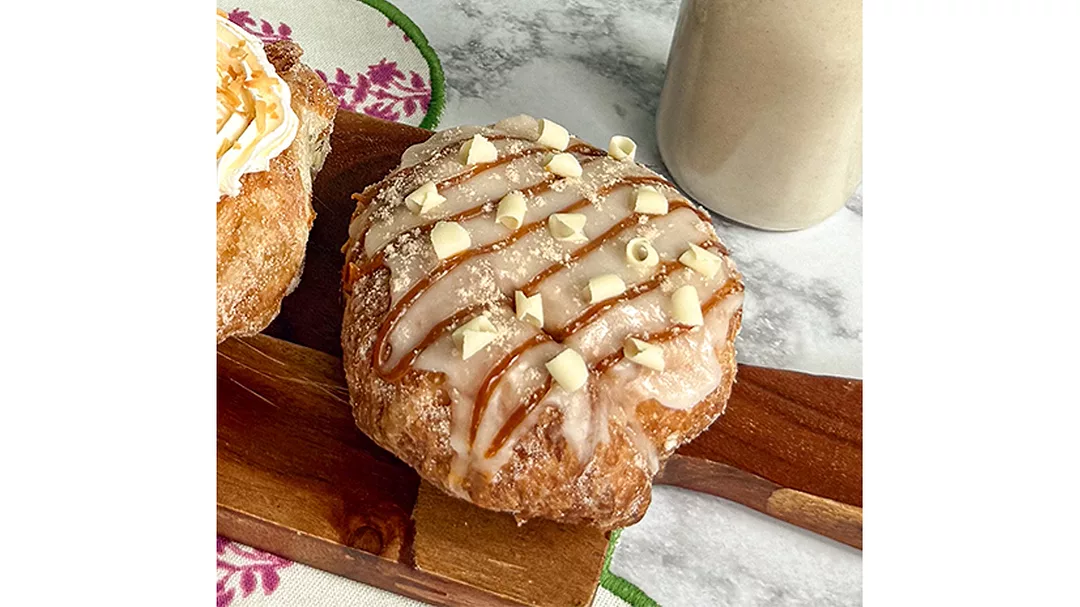
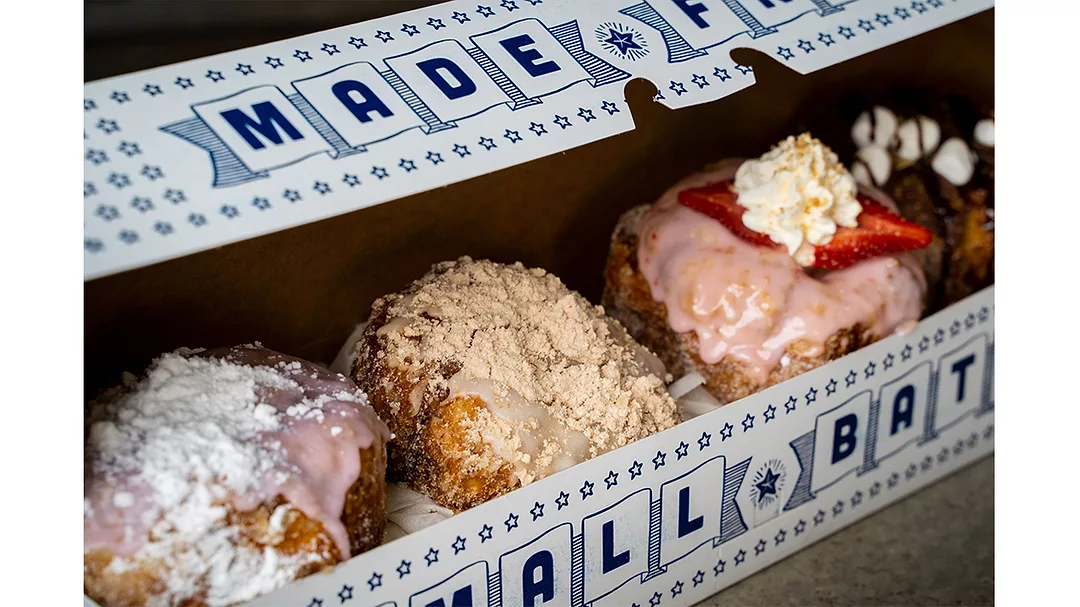
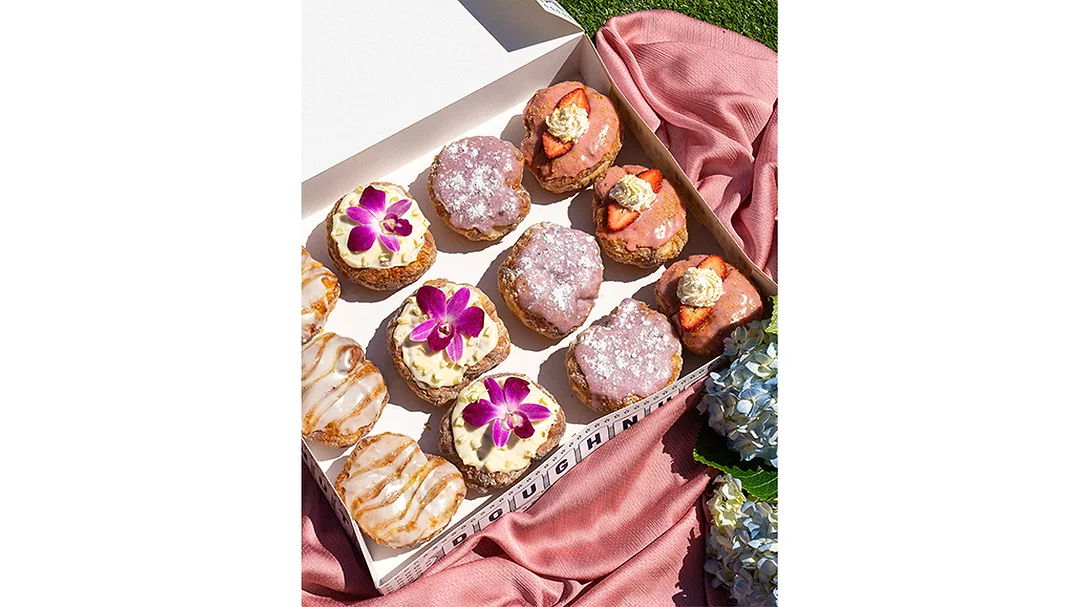
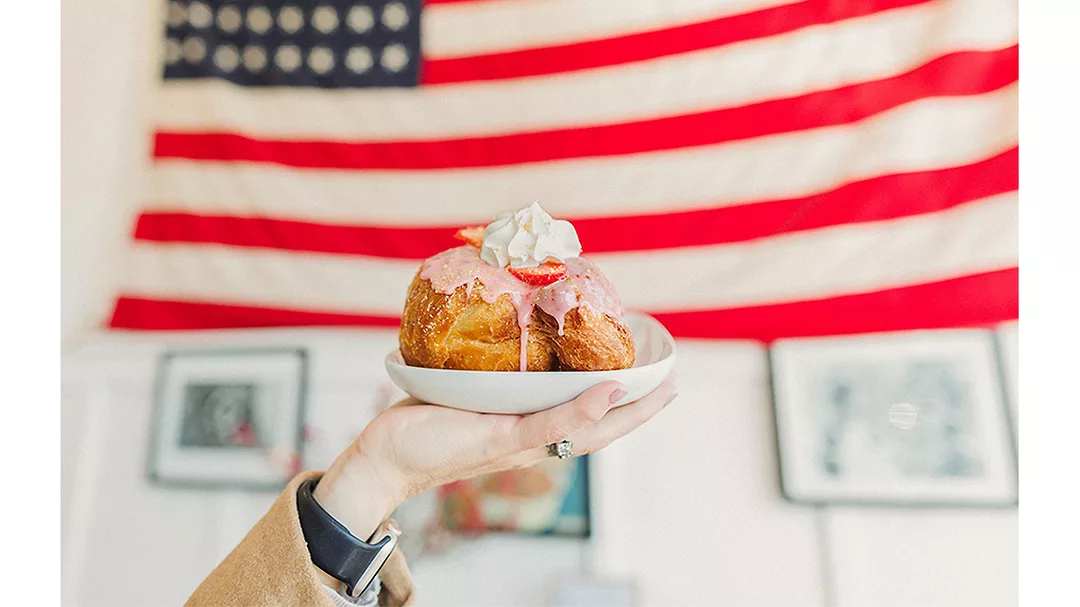
The rise in GLP-1 prescriptions may have had more of an impact on sweet goods than some other bakery categories—thanks to the products’ tendency to contain sugar, carbs, and other ingredients such folks are looking to cut down in their diets. However, the category wasn’t all bad news—some subcategories held steady, and some even gained, showing that consumers still crave the occasional doughnut, pastry, muffin, or other sweet, carby treat.
Market data
Starting with the center store, full-size doughnuts dropped by 2.2% for the 52-week period ending March 22, 2026, according to data from Circana, landing with $1.8 billion in dollar sales. The top-ranked producers in the subcategory experienced a mix of gains and losses:
- J.M. Smucker: $716.2 million, up 0.4%
- Grupo Bimbo: $411.1, a 3.7% loss
- McKee Foods: $256.5 million, a 9.6% drop
Private-label doughnuts took in $142 million, a gain of 12.5%. One of the only producers to gain in the subcategory, Super Bakery, raked in $8.9 million, which constituted an increase of 15.2%
Center-store sweet rolls was one of the subcategories to see an increase, although a fairly modest one—up 1.2% to hit $822.1 million. The ranked players here saw a mix of ups (some way up) with a few downs:
- McKee Foods: $432.1 million, up 5.8%
- Flowers Foods: $$86.8 million, an increase of 33.3%
- Carolina Foods: $63.9 million, up 3.5%
Private-label producers lost some ground during the year; the $57.5 million in dollar sales here constituted a loss of 34.3%
Sweet goods in the perimeter subcategories also saw a mix of gains and losses. After a decrease in the previous year, perimeter Danish recovered a gain of 8.1% for this most recent period, reaching $501.7 million. The top producers in the category:
- Grupo Bimbo: $401.8 million, down 2.8%
- Starbucks: $10.4 million, a loss of 11.7%
- Meurer Brothers Bakery: $10.3 million, a jump of 33.6%
Private-label perimeter Danish brought in $401.8 million, a healthy increase of 8.2%
Then, perimeter pastries was another subcategory with a modest decrease—down 1.5% to $361.8 million—and mixed results among ranked producers:
- Specialty Bakers: $13.5 million, a 1% decrease
- Grupo Bimbo: $10.5 million, down 17.2%
- Bakerly LLC: $8.8 million, up 25.8%
Private-label pastries in the perimeter saw another small loss—down 3.3% to reach $228.1 million.
Looking back
Bill Heiler, senior customer marketing manager with Rich Products, says over the past 12 months, fresh bakery has managed to exhibit “steady resilience” despite a challenging economic environment.
 Courtesy of Rich Products
“Within that landscape, sweet goods—particularly staples like donuts, muffins, cinnamon rolls and Danish—have been the standout; these items account for about a quarter of fresh bakery sales or $5.6 billion, and have outperformed the broader department, growing 3% in both dollars and units vs. a year ago,” Heiler observes.
“Over the past 12 months, the bakery industry has experienced strong momentum, driven by consumers’ growing appetite for experiential baked goods,” observes Melissa Arnoldsen, PR specialist with growing bakery foodservice outfit Parlor Doughnuts. “Guests overall, and certainly Parlor’s guests, want something memorable and shareable (and that includes both sharing with friends in the shop as well as followers on social media). That shift has created exciting opportunities across the category, particularly for brands focused on innovation and hospitality. At Parlor Doughnuts, we’ve been fortunate to be part of that growth, expanding to more than 100 shops in the last 12 months.”
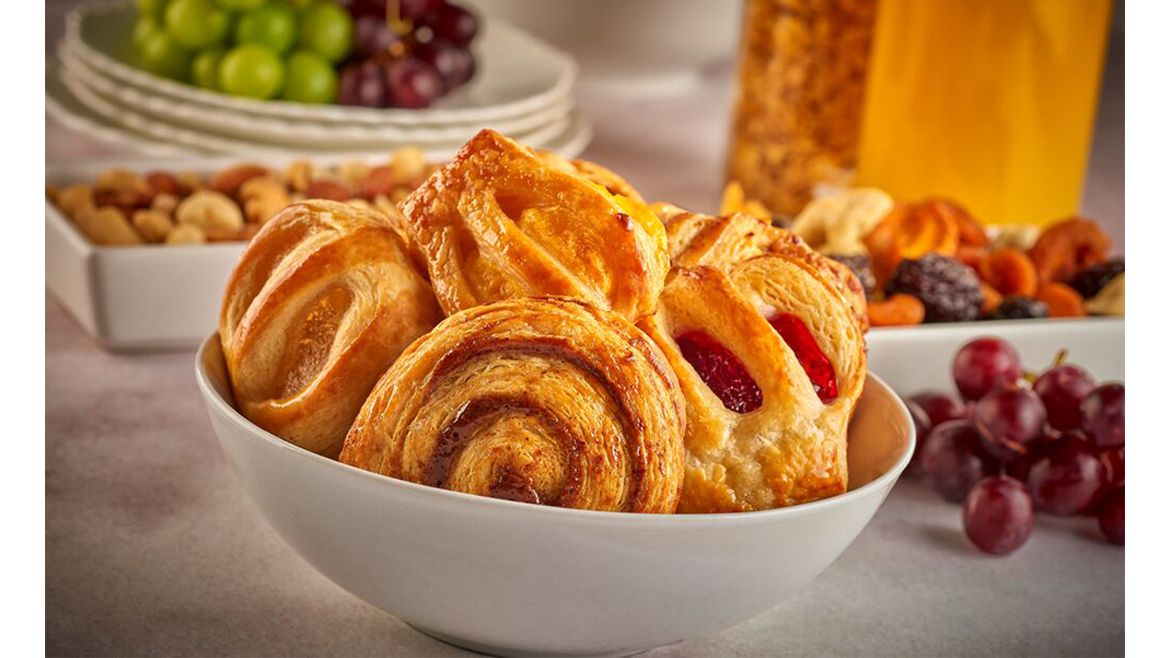
Heiler says growth in sweet goods has been helped along by consumers looking for a mixture of things in their purchases, including familiar experiences, affordability, and emotional appeal.
 Courtesy of Rich Products
“While these products are typically discretionary purchases, they function as accessible, affordable comfort foods—small, everyday indulgences that consumers are still willing to prioritize,” he states. “In many ways, they’ve benefited from the ‘lipstick effect’ within the bakery aisle, where shoppers trade down from larger more expensive treats but still seek out moments of joy.”
Joe Danks, COO with Parlor Doughnuts, remarks that one of the biggest puzzles for producers in sweet goods has been figuring out what the consumer wants, and delivering.
“One of the biggest challenges has been staying ahead of rapidly evolving flavor trends, consumer expectations, and marketing strategies, especially in an environment heavily influenced by social media and digital engagement,” he says. “Consumers are discovering brands and products faster than ever, so we have to be constantly adapting. Despite those pressures, the category has shown remarkable resilience, and one of the brightest spots has been seeing bakeries embrace creativity and hospitality in new ways.”
 Courtesy of Parlor Doughnuts
Brigid Bink, Parlor’s director of marketing, says one way sweet goods purveyors can increase their chances of success is offering stand-out, premium products—especially in the foodservice space.
“A continuing shift in consumer behavior has been the expectation of a more curated experience; guests today are highly engaged with everything surrounding the product, including the atmosphere of the shop, presentation, seasonal flavors, digital ordering experience, and especially how products translate on social media,” she says. “The ‘vibe’ of a bakery has
become almost as important as the baked goods themselves. Consumers are also showing strong interest in adventurous flavor profiles and limited-time offerings that create excitement and encourage repeat visits.”
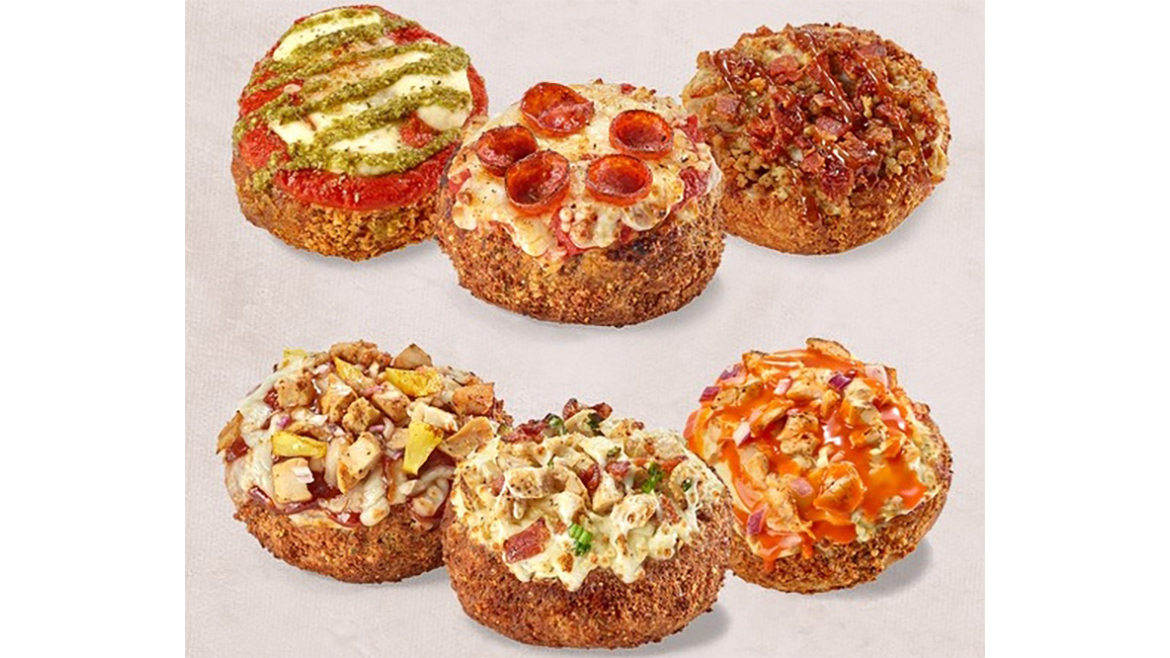
Among the adventurous offerings in recent months: Parlor’s line of savory doughnuts, which landed in January 2026. The half-dozen items included flavors like Margherita pizza and Buffalo chicken.
“The initial rollout featured six new flavors that reimagined what a doughnut could be,” shares Bink. “The response has been incredibly encouraging, particularly across social media platforms like TikTok, where consumers have embraced the concept and shared their experiences organically. The launch also generated strong traditional media attention, and we see significant opportunity to continue expanding the line with additional flavors and innovations moving forward.”
Heiler says presentation also has helped boost sweet goods sales.
“Another factor working in their favor is how they’re merchandised,” he notes. “The ability to purchase single-serve items from self-service cases makes them especially convenient and budget friendly, reducing both cost and waste. In many cases, these products are consumed on the spot and never even make it home.”
Rich Products has sought to help customers grab consumers, Heiler shares, with a range of innovations.
 Courtesy of Rich Products
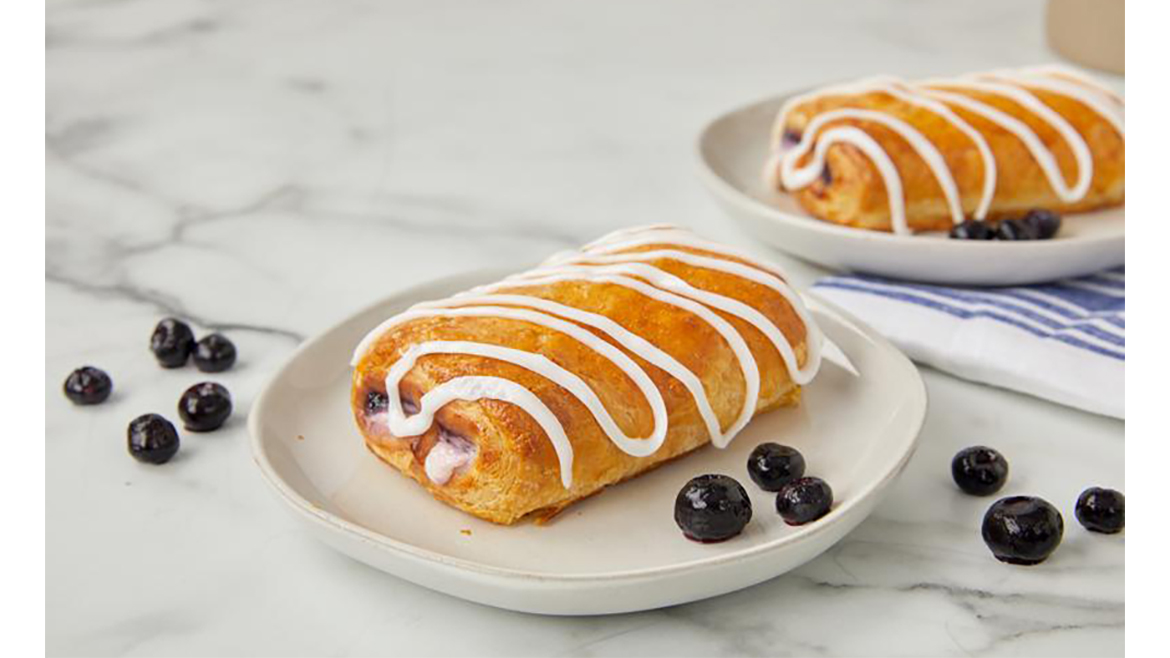
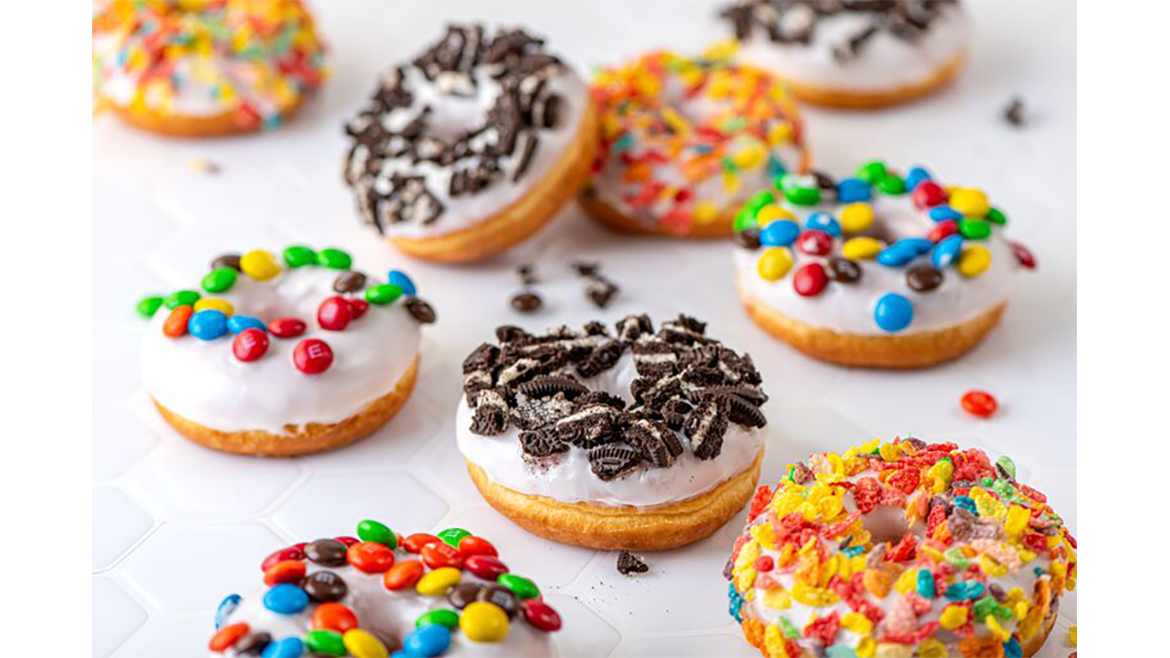
“Over the past year, we’ve focused on expanding our sweet goods portfolio with products that deliver on convenience, quality, and everyday indulgence,” he says. “Recent new products include Rich’s Fully Finished Cinnamon Rolls in a range of pack sizes (four, eight, 12, and bulk), Filled Donut Bites in trending flavors like Cornbread Hot Honey and Strawberry Cheesecake, as well as Seasonal Fully Finished Our Specialty Treat Shop Mini Iced Donuts. What makes these products stand out is their versatility and accessibility. They’re designed to meet a variety of consumption occasions—from an individual “treat yourself” moment to small group gatherings like book clubs or casual get-togethers—while maintaining a strong value proposition for today’s budget-conscious shopper.”
Looking forward
Heiler predicts evolving consumer desires and interests will influence the road ahead for the category.
“Looking ahead, several emerging trends are shaping the future of sweet goods, particularly as the category continues to expand beyond traditional dayparts and occasions,” he surmises. “One of the most notable is the rise of “desserts as a flavor,” where indulgent profiles like birthday cake, pie-inspired fillings, banana pudding, and cheesecake are showing up across formats. These familiar, nostalgic flavors translate well into sweet goods and help elevate everyday items into more craveable, occasion-worthy treats.”
Bink says Parlor is working on new opportunities but cannot reveal details at this point.
“We’re continuing to invest in innovation within the category and are actively exploring new products and flavor experiences for the year ahead,” she says. “While we can’t share specifics just yet, we’re excited about opportunities to continue pushing the boundaries of what guests expect from the doughnut and bakery space, while staying true to the handcrafted quality and hospitality that define the brand.
Heiler says, “At Rich’s, we’re exploring ways to reimagine classic sweet formats with savory twists, such as replacing traditional cinnamon fillings with options like pizza sauce and mozzarella cheese,” he shares. “It’s about pushing the boundaries of flavor while creating more versatile, portable offerings that appeal to a wider range of occasions. We are working on some exciting new flavors and formats that hit on many of the trends we highlighted—think global and savory flavors.”
Like producers in other bakery categories, sweet goods companies largely are rosy about what’s ahead, despite continuing challenges.
“Looking ahead to the next 12 months, we remain very optimistic about the sweet goods category,” says Arnoldsen. “Consumers continue to prioritize brands that offer experiences that feel special, even in uncertain economic environments. We believe bakeries and dessert brands that focus on quality, hospitality, and innovation will continue to thrive.”
Looking for a reprint of this article?
From high-res PDFs to custom plaques, order your copy today!